

Blog Post for Environment 911
Sustainability in B.C.'s Okanagan Wineries
Oct 19, 2020
Sustainability in B.C.'s Okanagan Wineries
Drinking responsibly takes on a whole new meaning
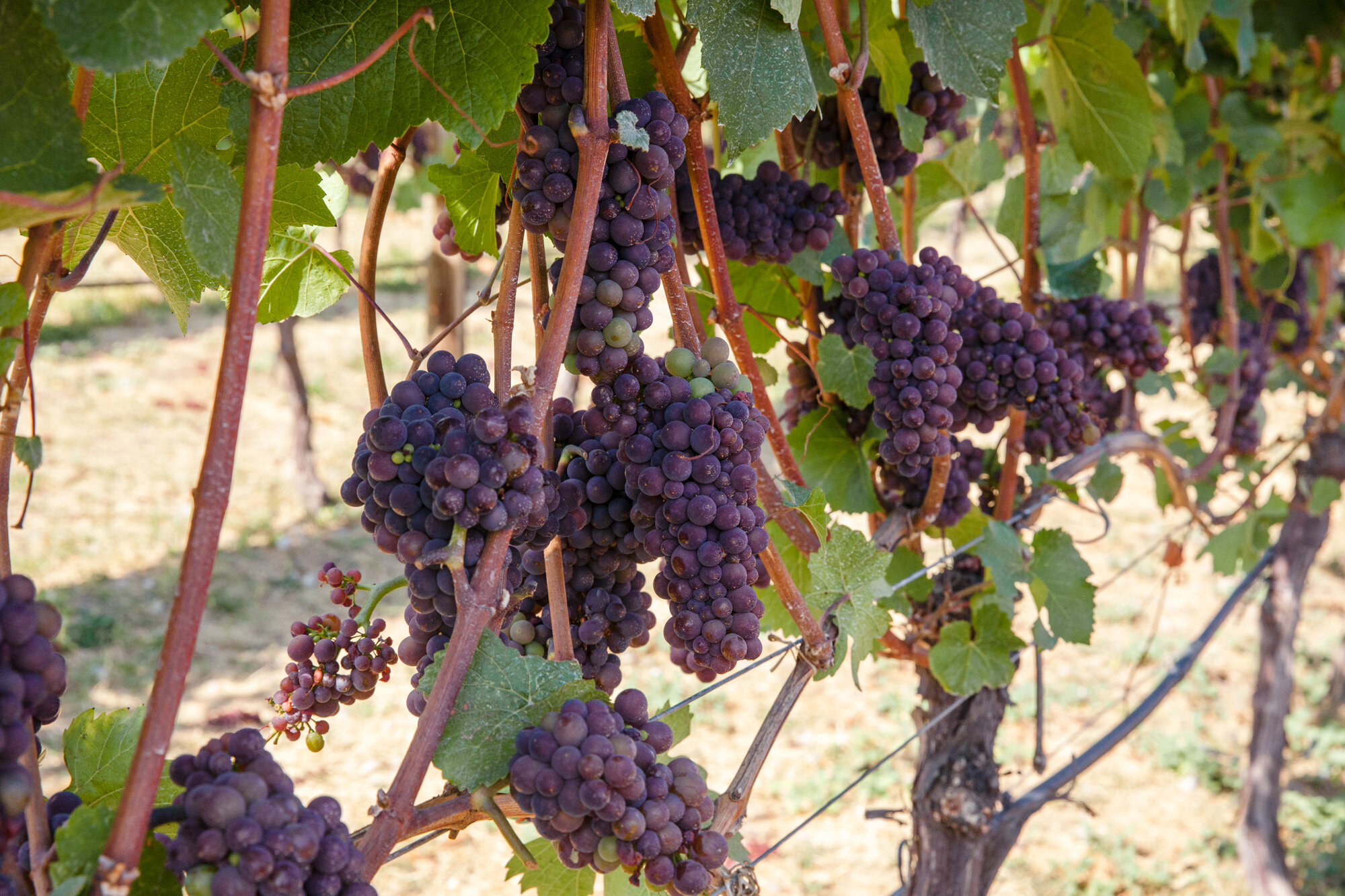
Organic, natural, sustainable, biodynamic—many of these terms used to sound buzzy or were a rarity in wine production. But more and more wineries, especially in B.C.'s Okanagan region, are taking on the task of creating wine in an eco-friendly fashion.
I did a quick 36-hour trip to the Okanagan to have a peak (and of course a few sips) at some of the many places that boast great strides in sustainability. The height of the summer wine touring season may be over, but you can still get many of these wines at restaurants and wine retailers.
Hopefully this is a starting point for your next trip to wine country to sample, learn and pick up these more eco-friendly bottles...
1. Okanagan Crush Pad
Okanagan Crush Pad has a variety of labels under its umbrella: Haywire, Free Form, Narrative and the most recent edition, Bizou + Yukon.
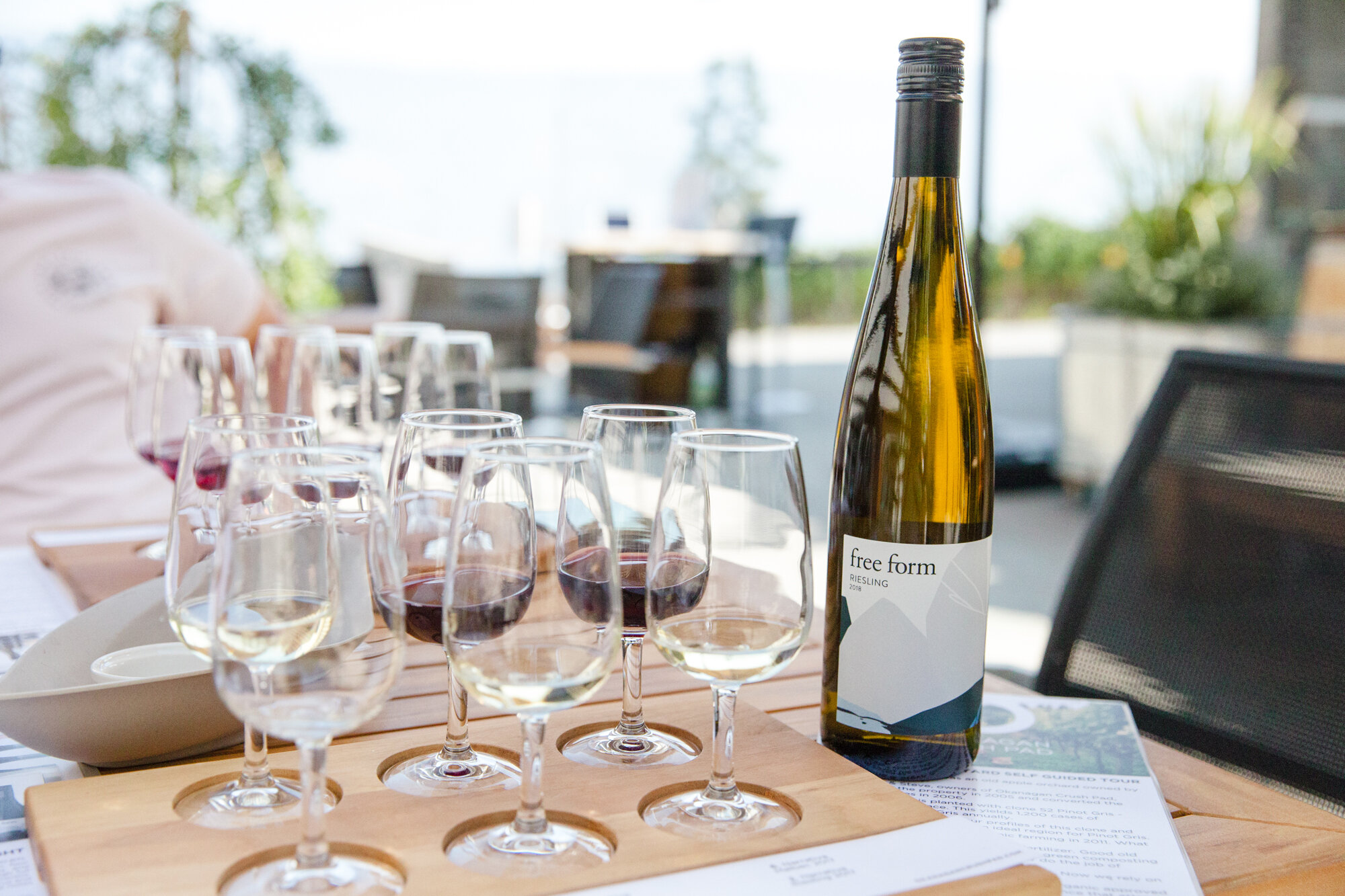
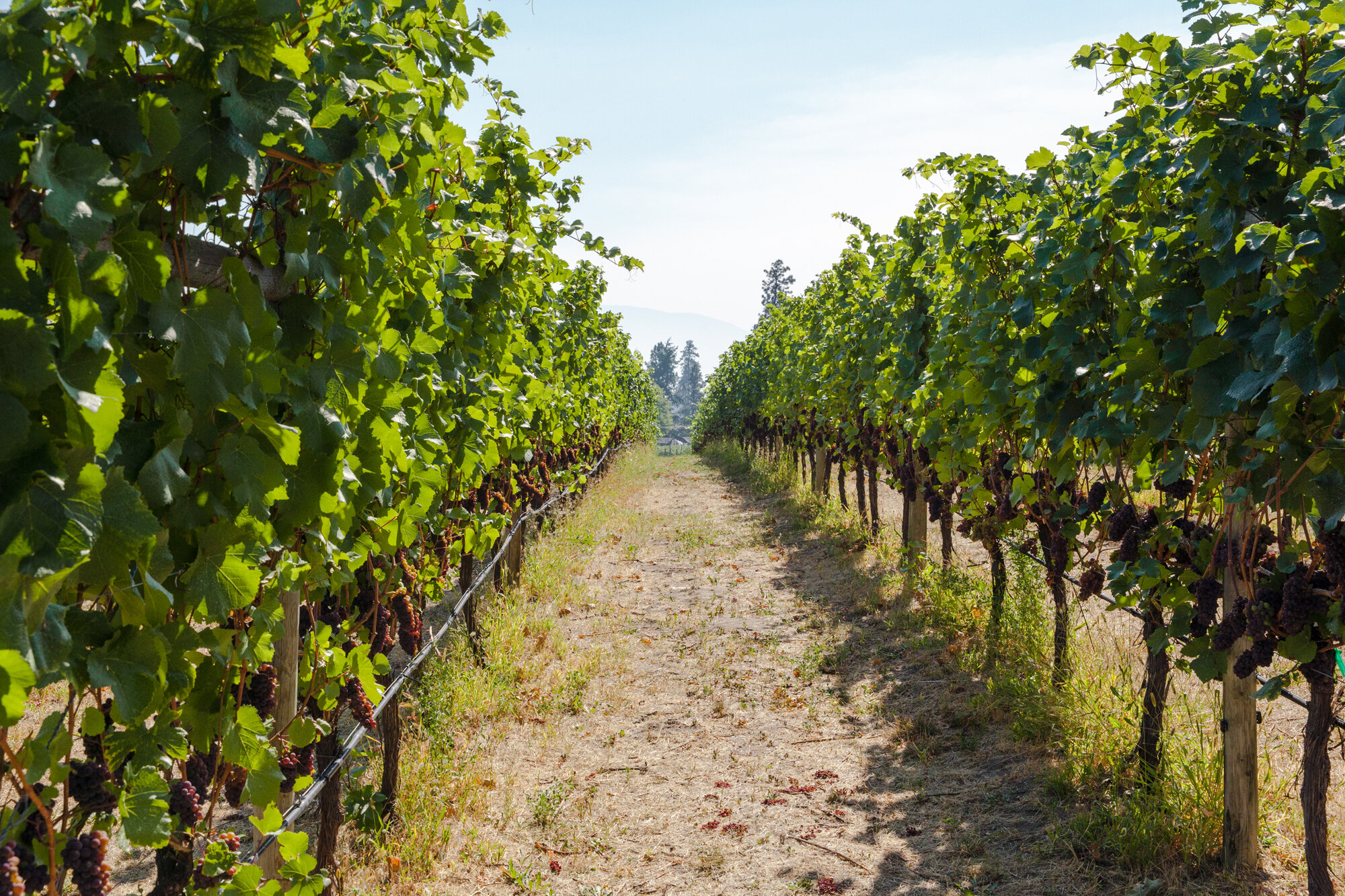
Free Form was launched in 2018 to celebrate the winery becoming certified organic—and has some of my new favourite natural wines (I’m also partial to the labels with the design by Vancouver’s Scott Sueme and the paper being made of stone).
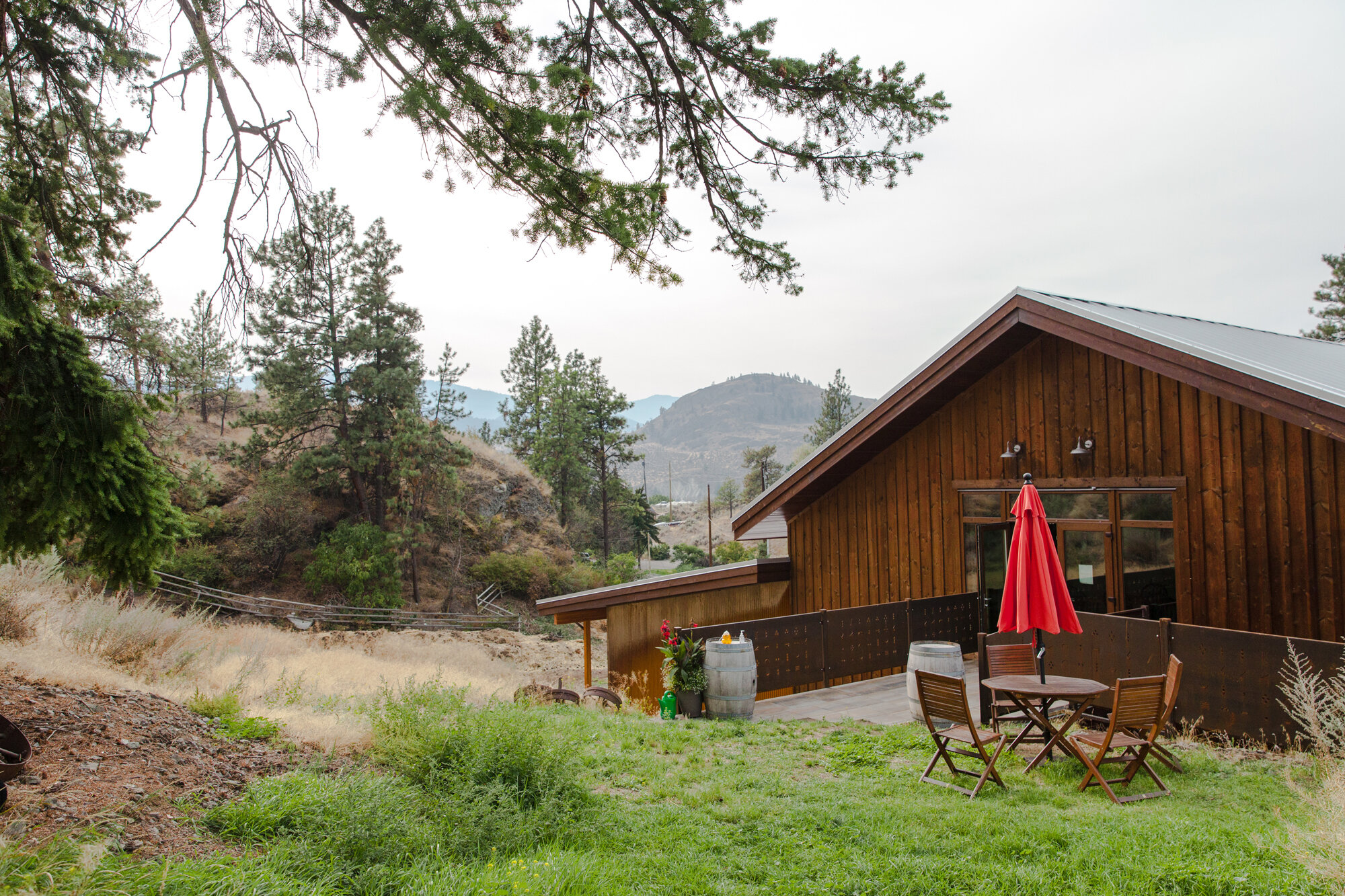
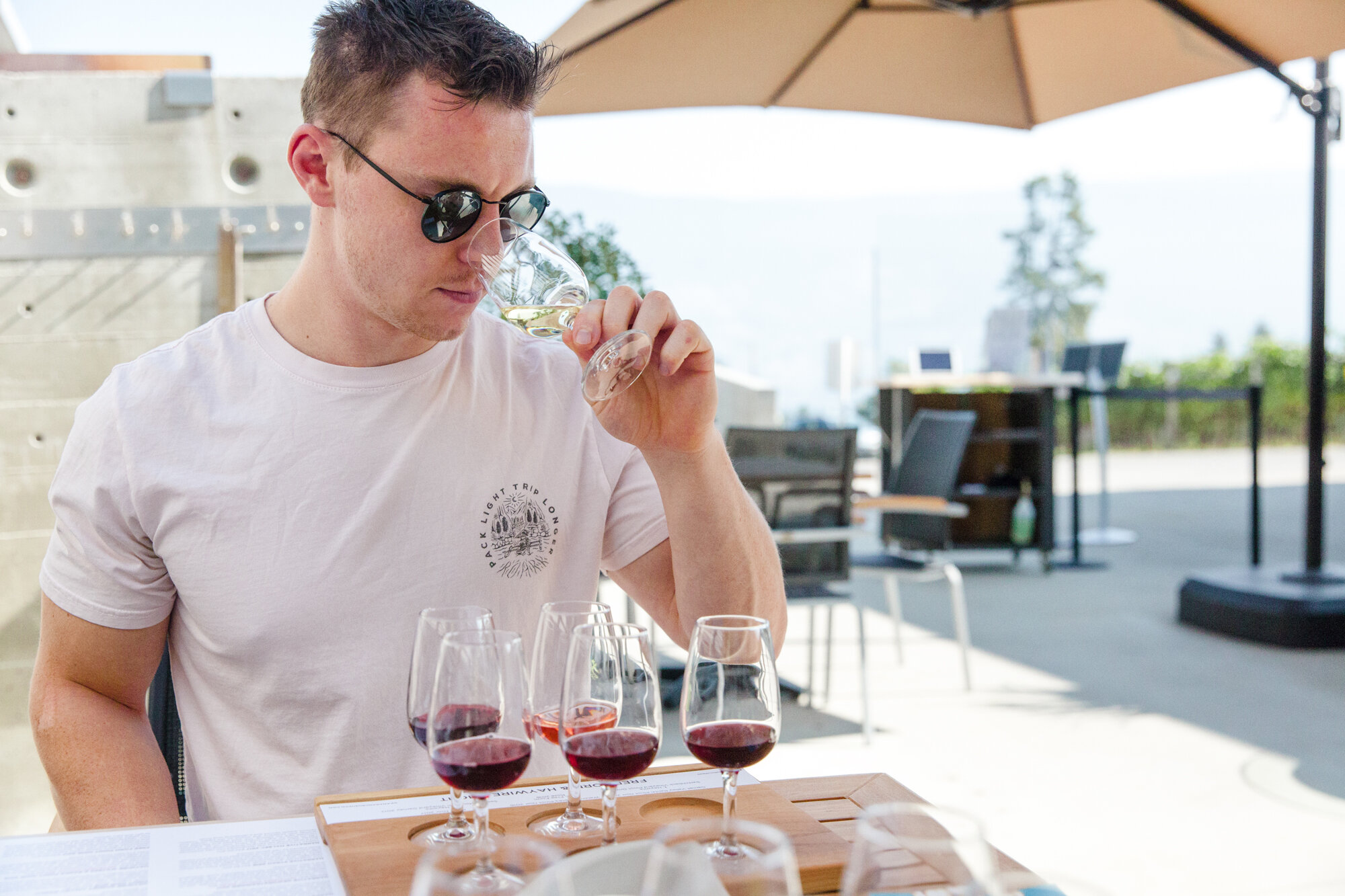
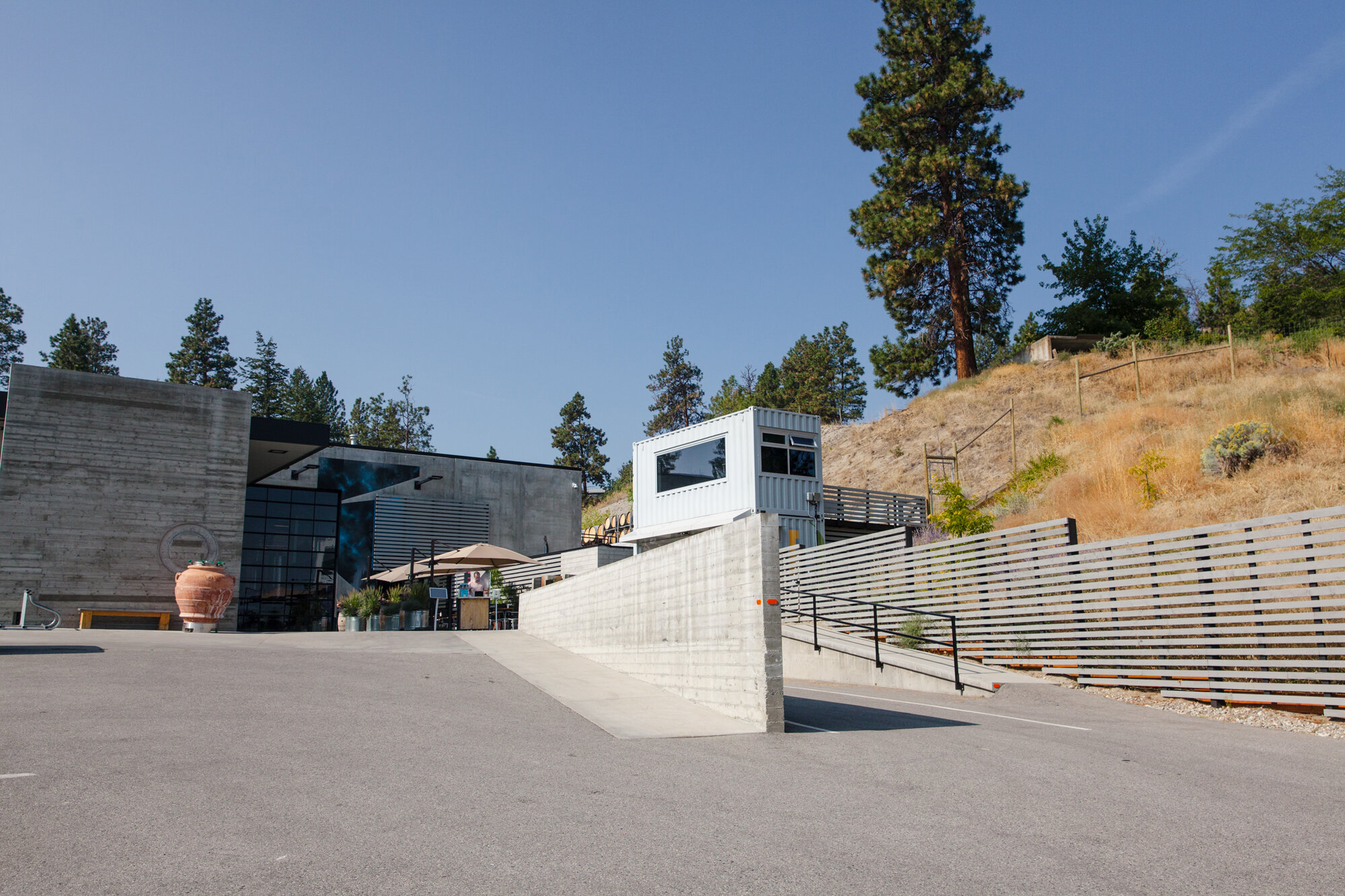
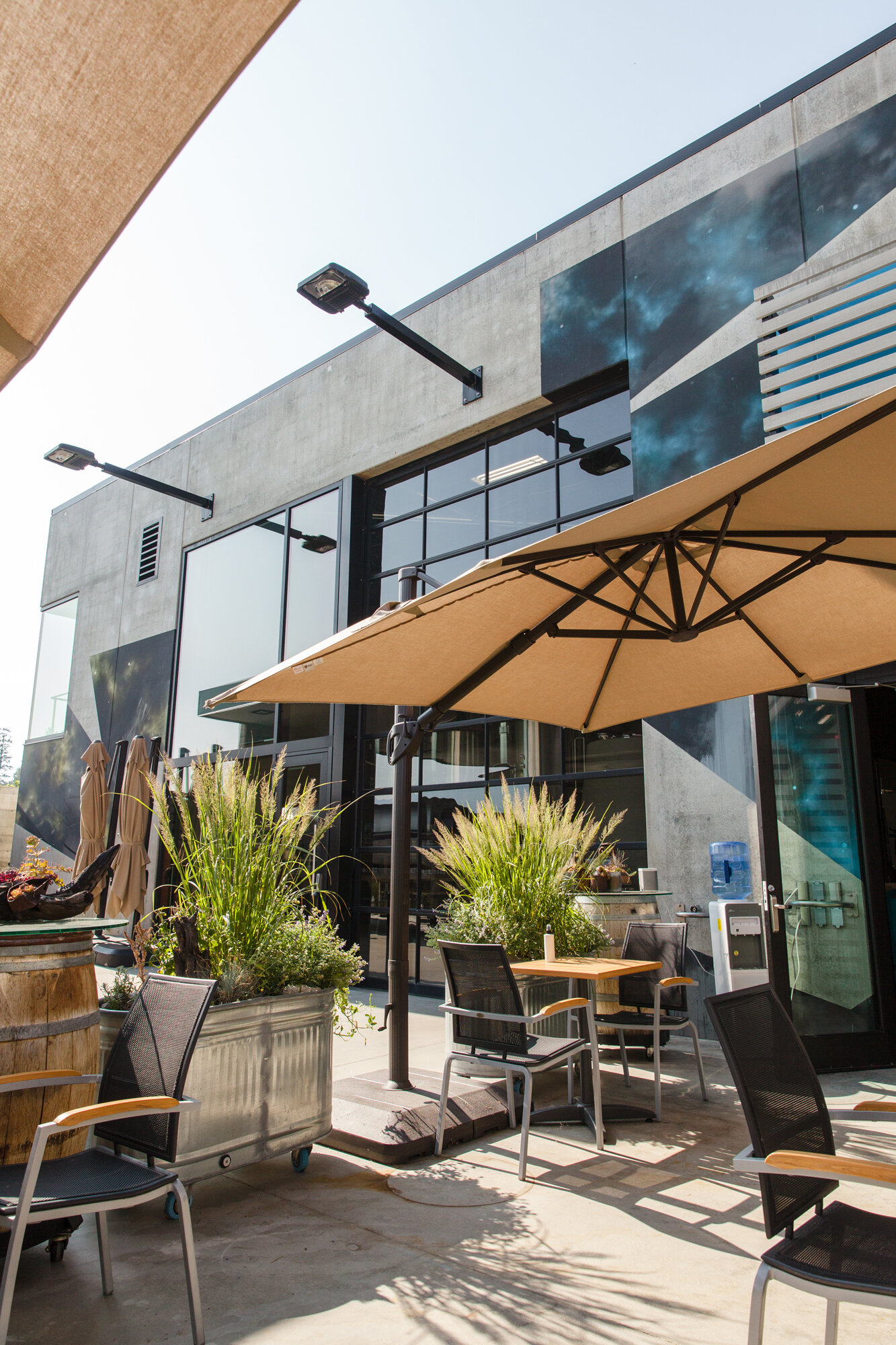
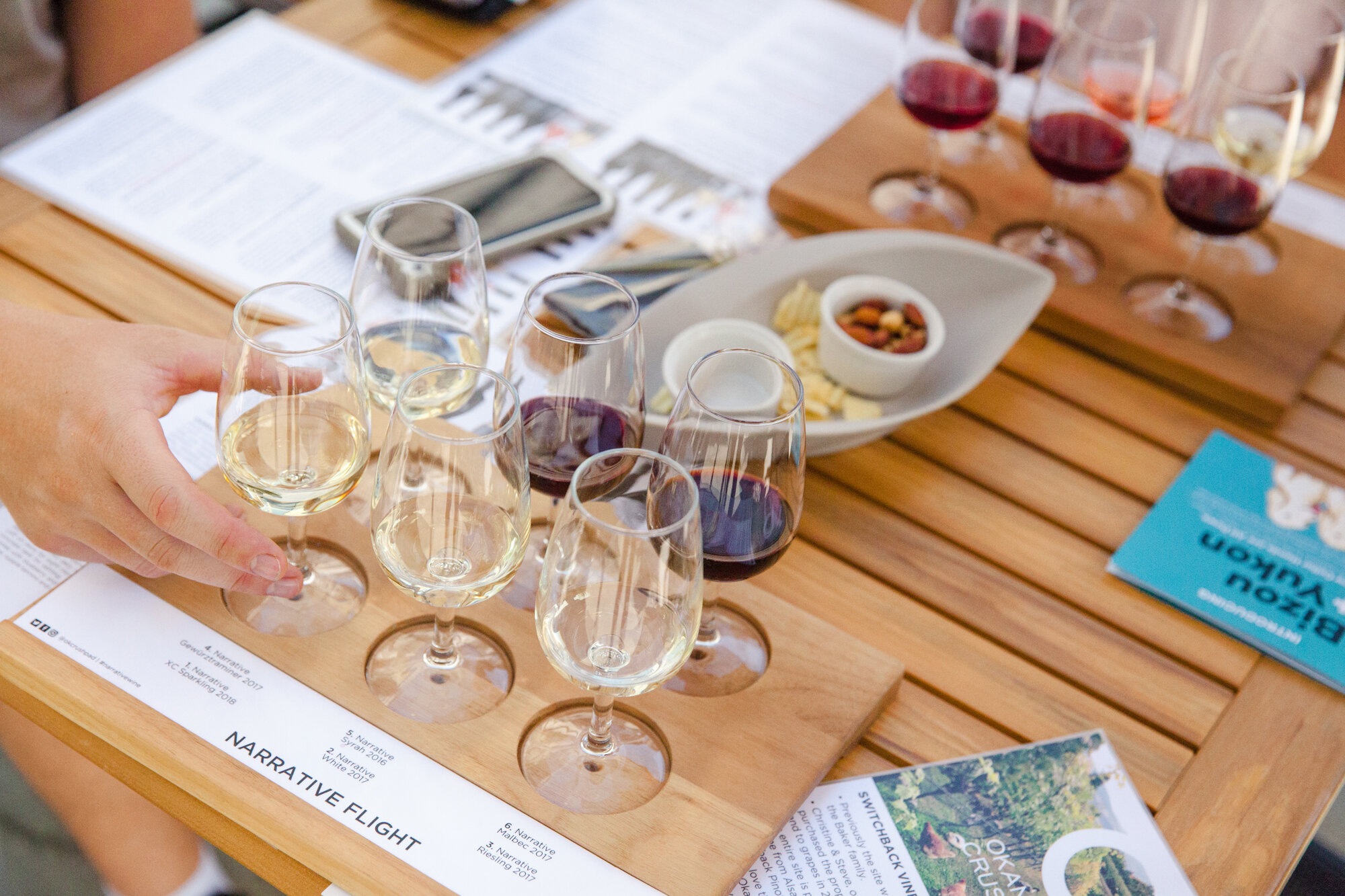
The vineyard has a modern design and the patio set-up, which is super-sized for COVID, allows you to sit and choose from set curated flights (much like a beer sampler) with all the information you could desire about what it is you’re drinking, and the science and technique behind how it's made.
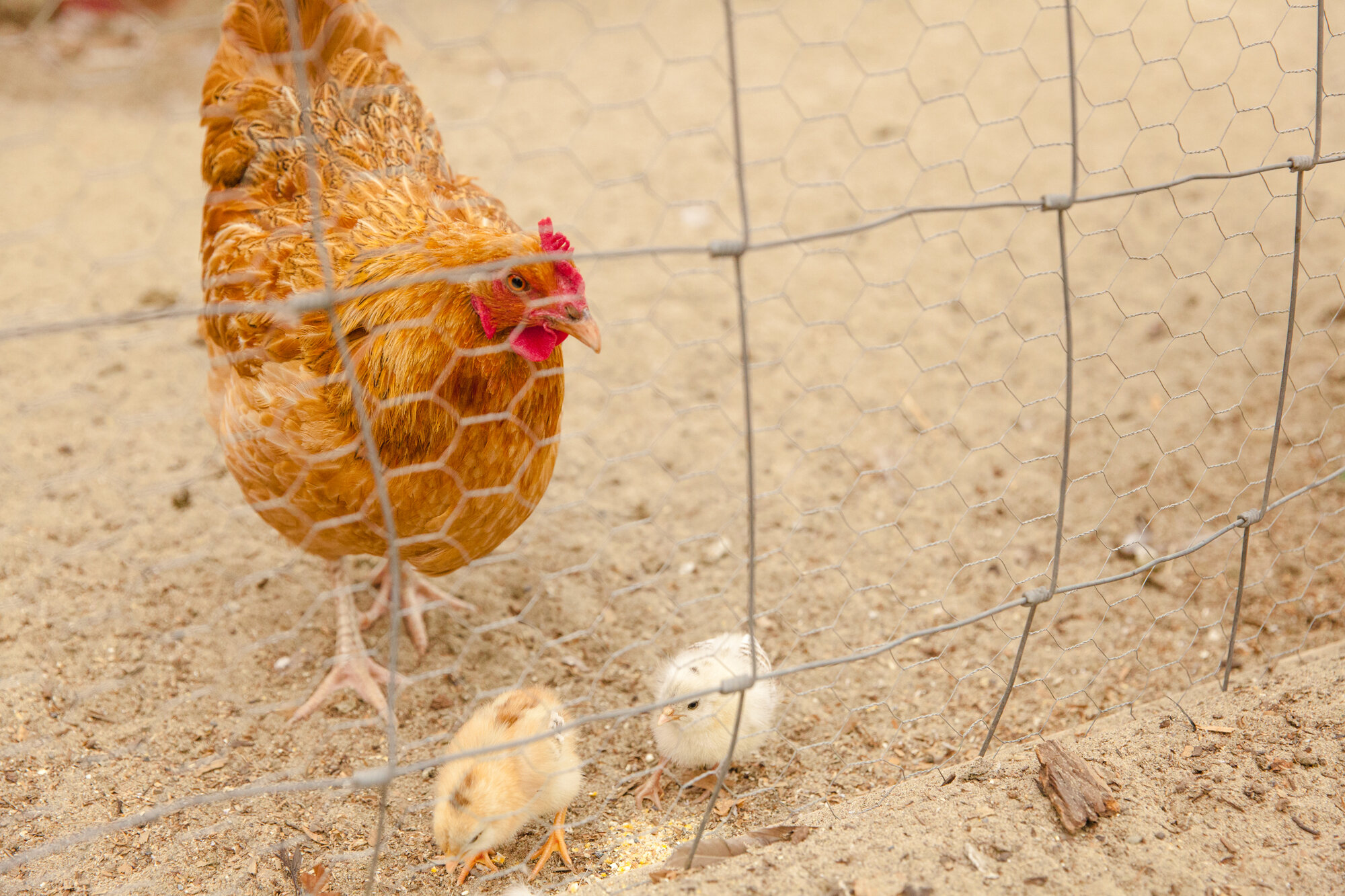
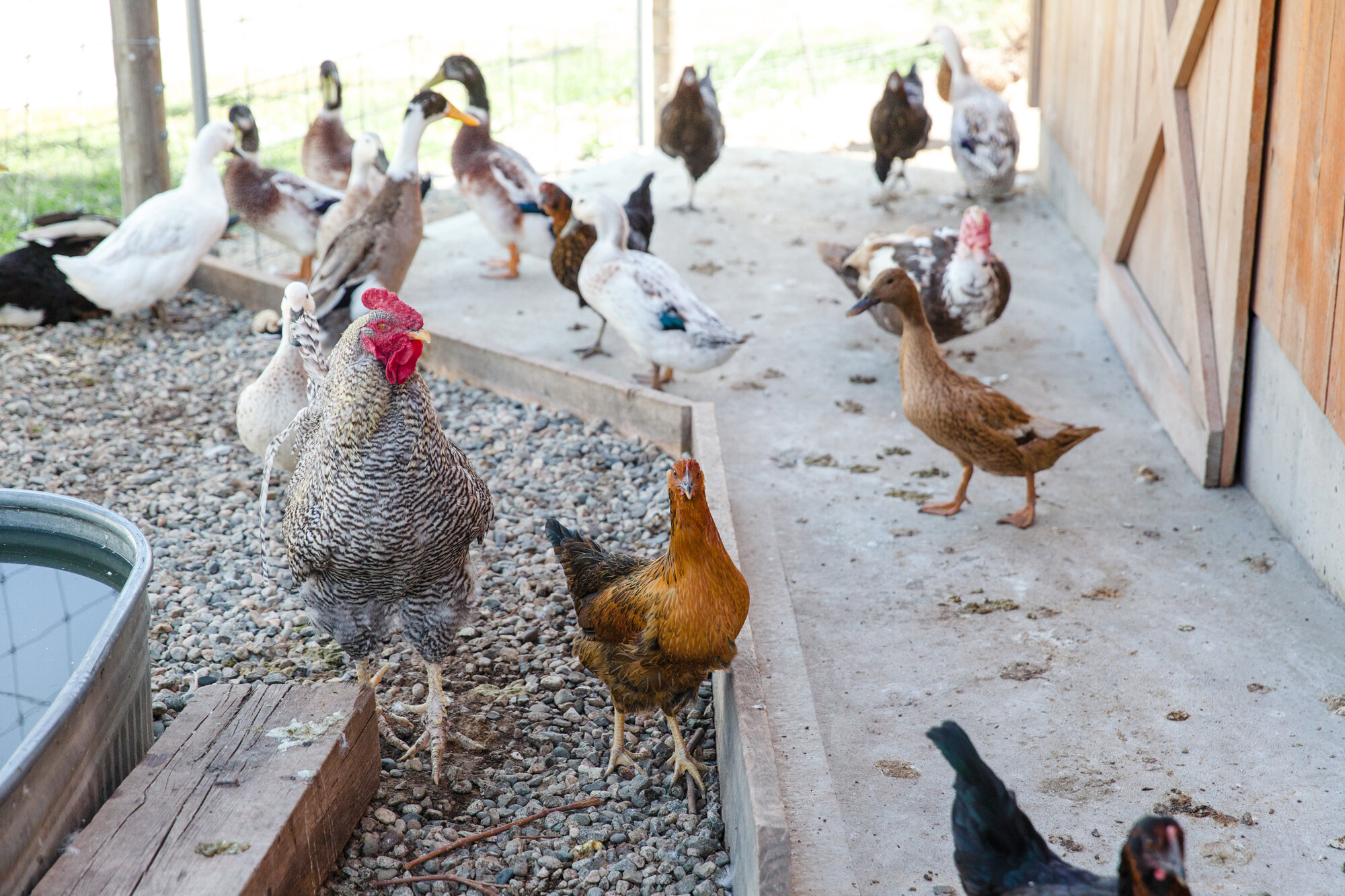
After getting some bottles to go, I suggest you take the self-guided tour around the fields next to the winery. You’ll pass by the chickens and ducks hanging out in a pen complete with a coop made with wine barrels.
Click here for where to buy/drink and the wine shop.
2. Echo Bay, Else Wines, and Rigour & Whimsey
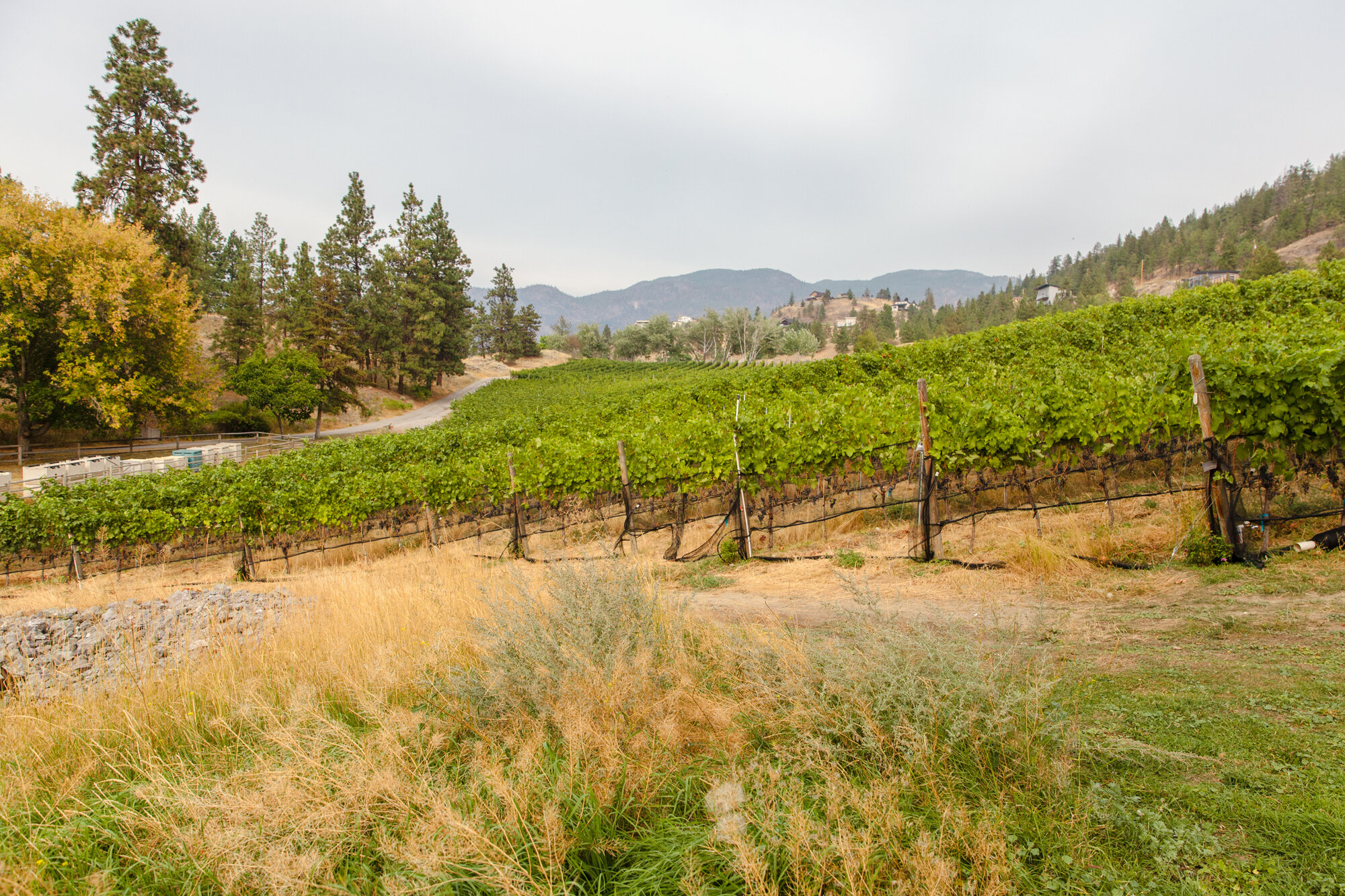
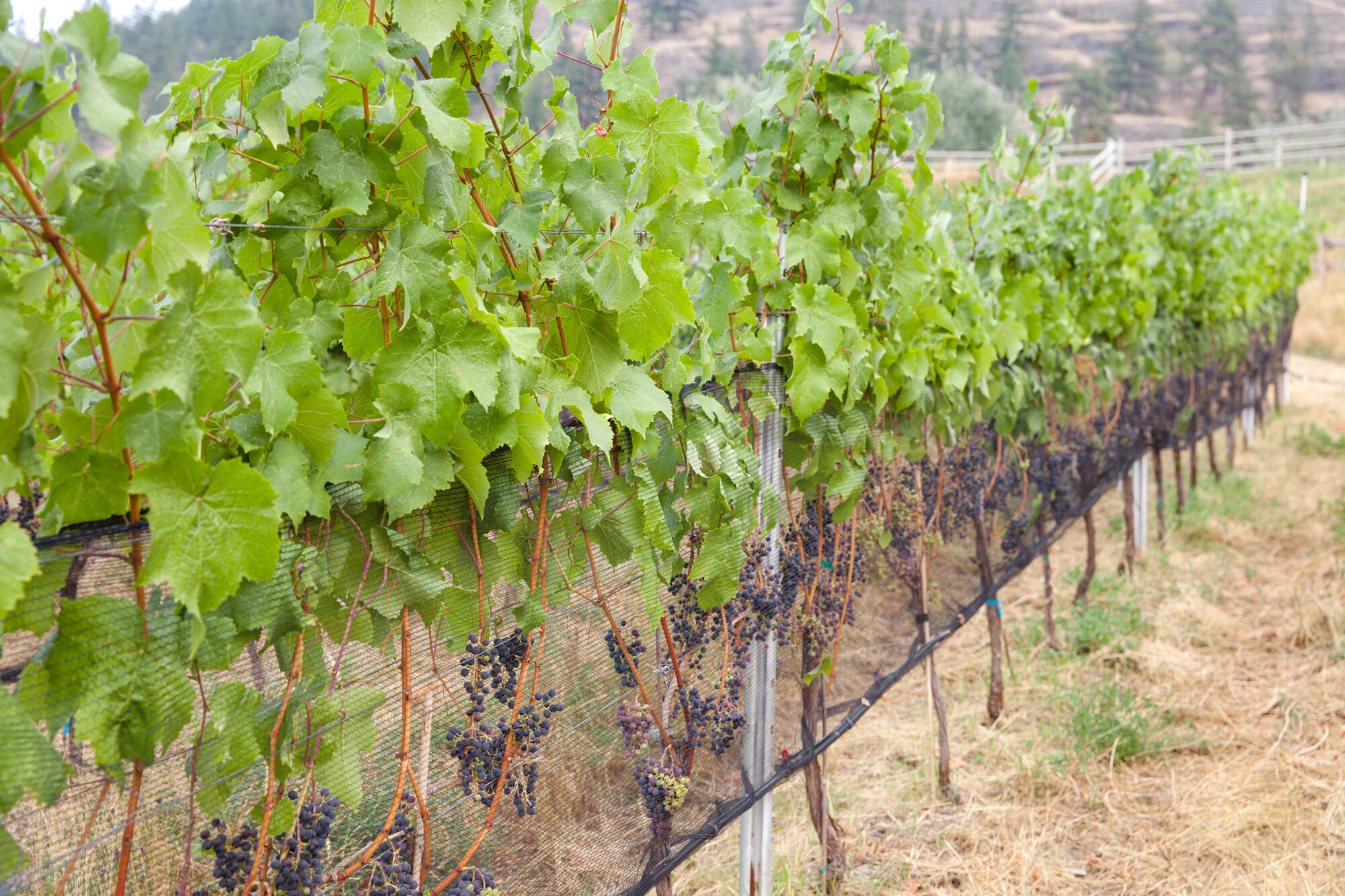
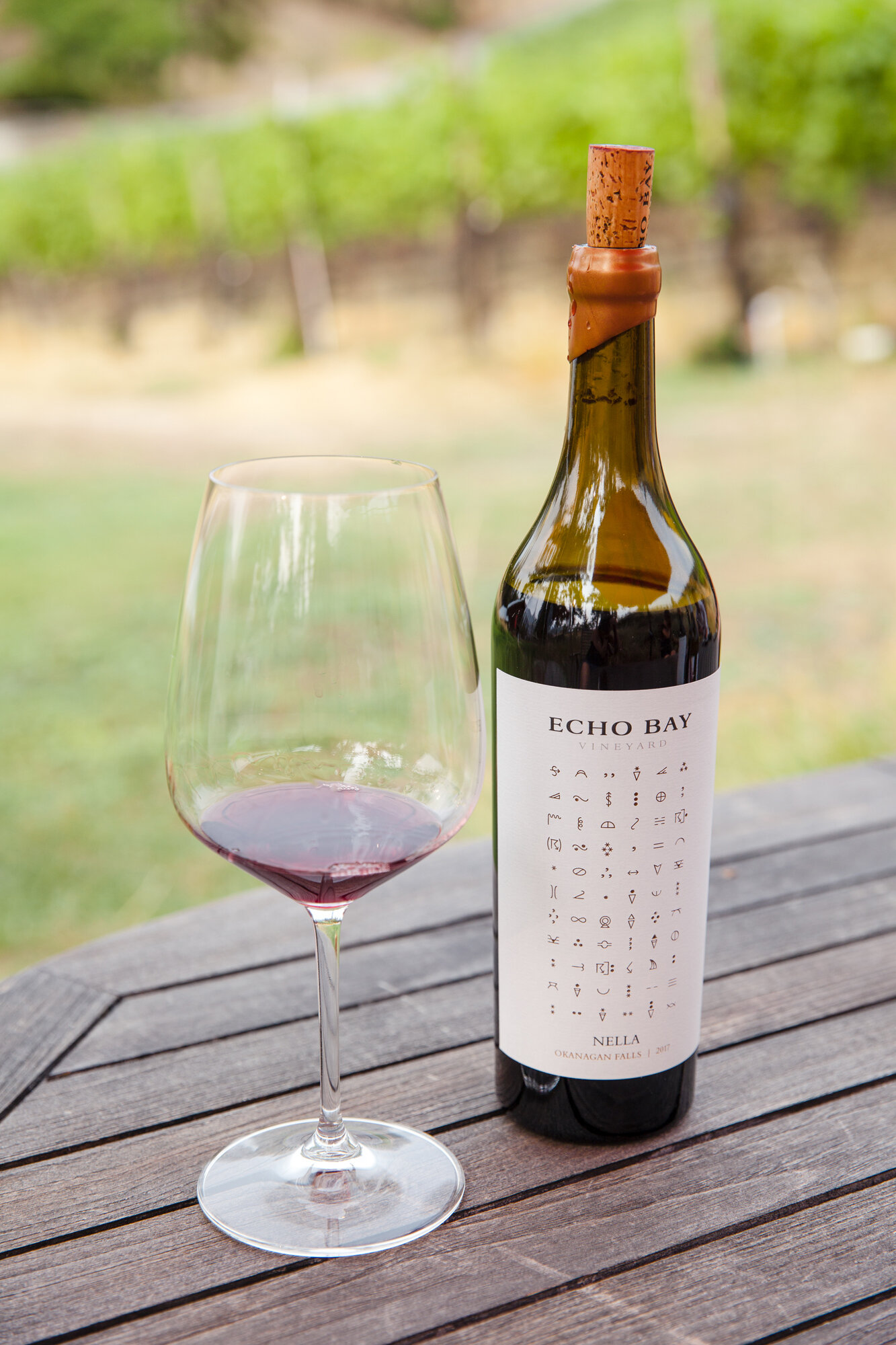
It was recommended that I visit Echo Bay winery, as there were some awesome things in sustainability going on. At the helm of the family winery is head winemaker Kelsey Rufiange, whose goal is to create a biodiverse vineyard that is self-sustaining.
As a side project, she created Else Wines (as in something else) so she could be creative with her grapes and techniques (with delicious results).
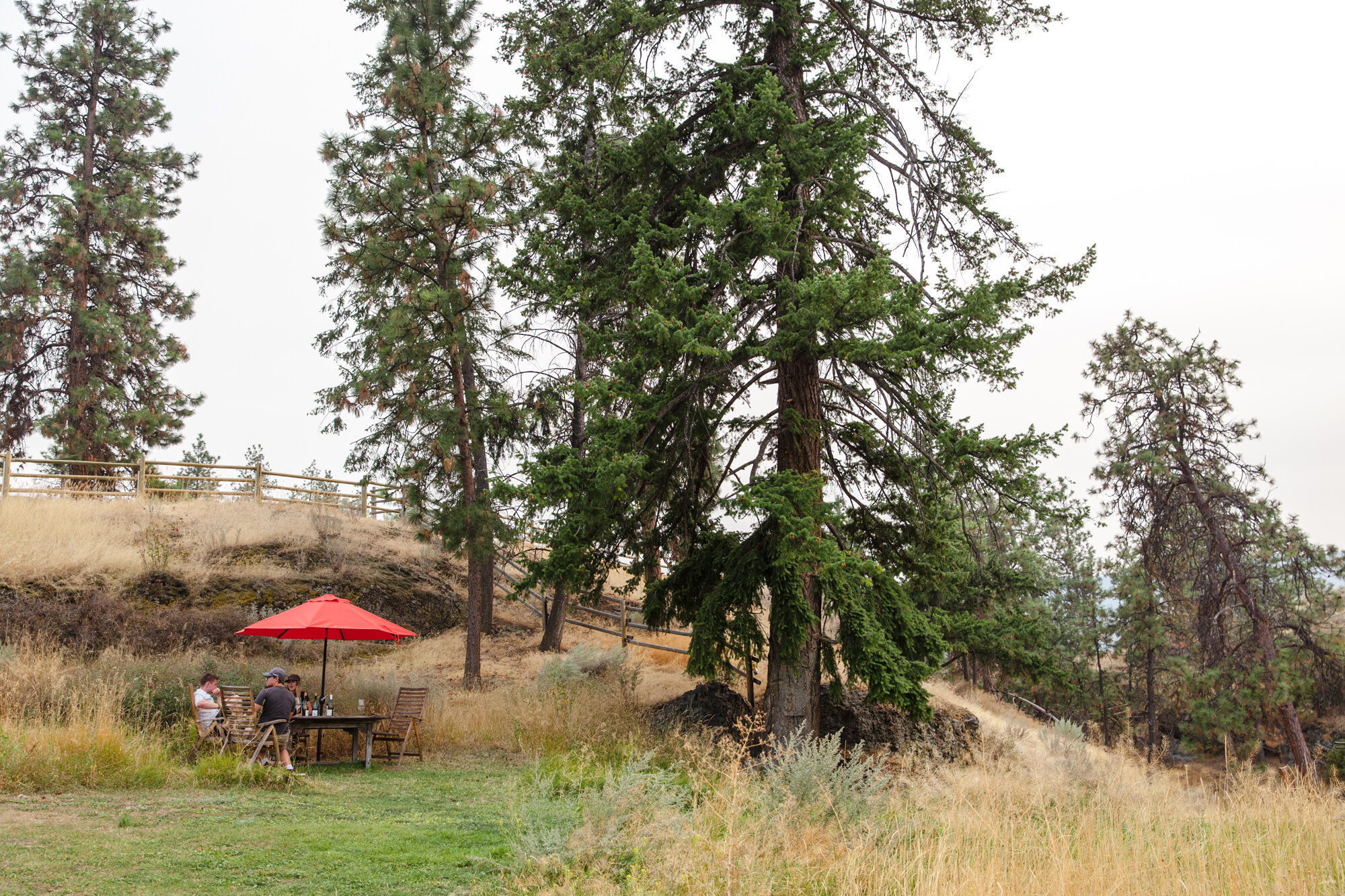
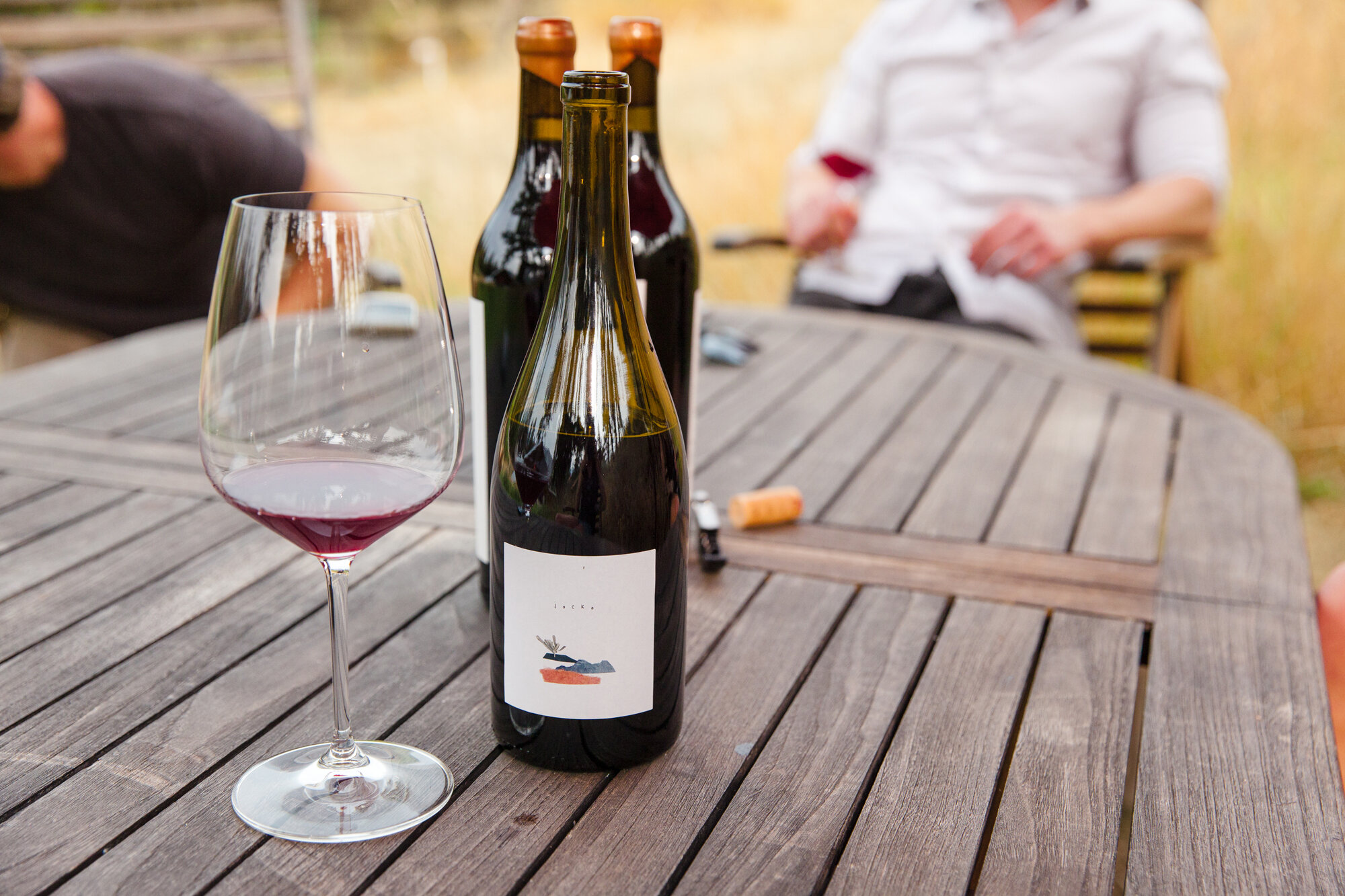
We were able (and lucky enough) to sit out in the back field and sample some vino from both labels, and learn about the family and Kelsey’s history (check out the info on their site).
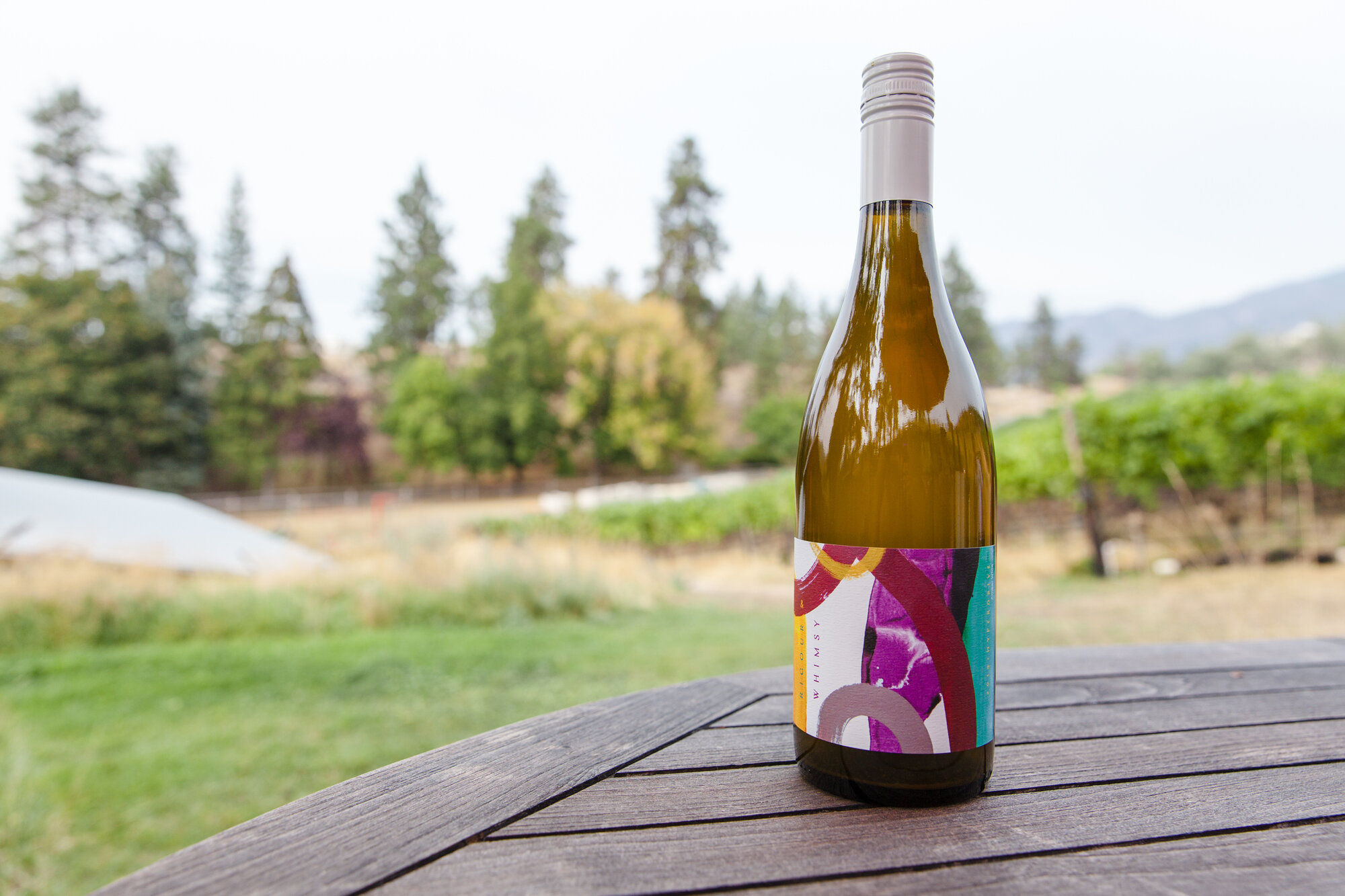
Also of note, another wine label produced and bottled on the property is Rigour & Whimsey, which fits right in with the organic philosophy of Echo Bay, centering around regenerative farming and responsible agriculture.
Some of the smaller batch wines (like those of Else) are going to be harder to find, but here are the links for stockists: Echo Bay, Else Wines and Rigour & Whimsey.
3. Covert Farms
One of the themes I discovered through our visits is that if a winery is leaning into sustainability, you’re likely to find some feathered and furry creatures around.
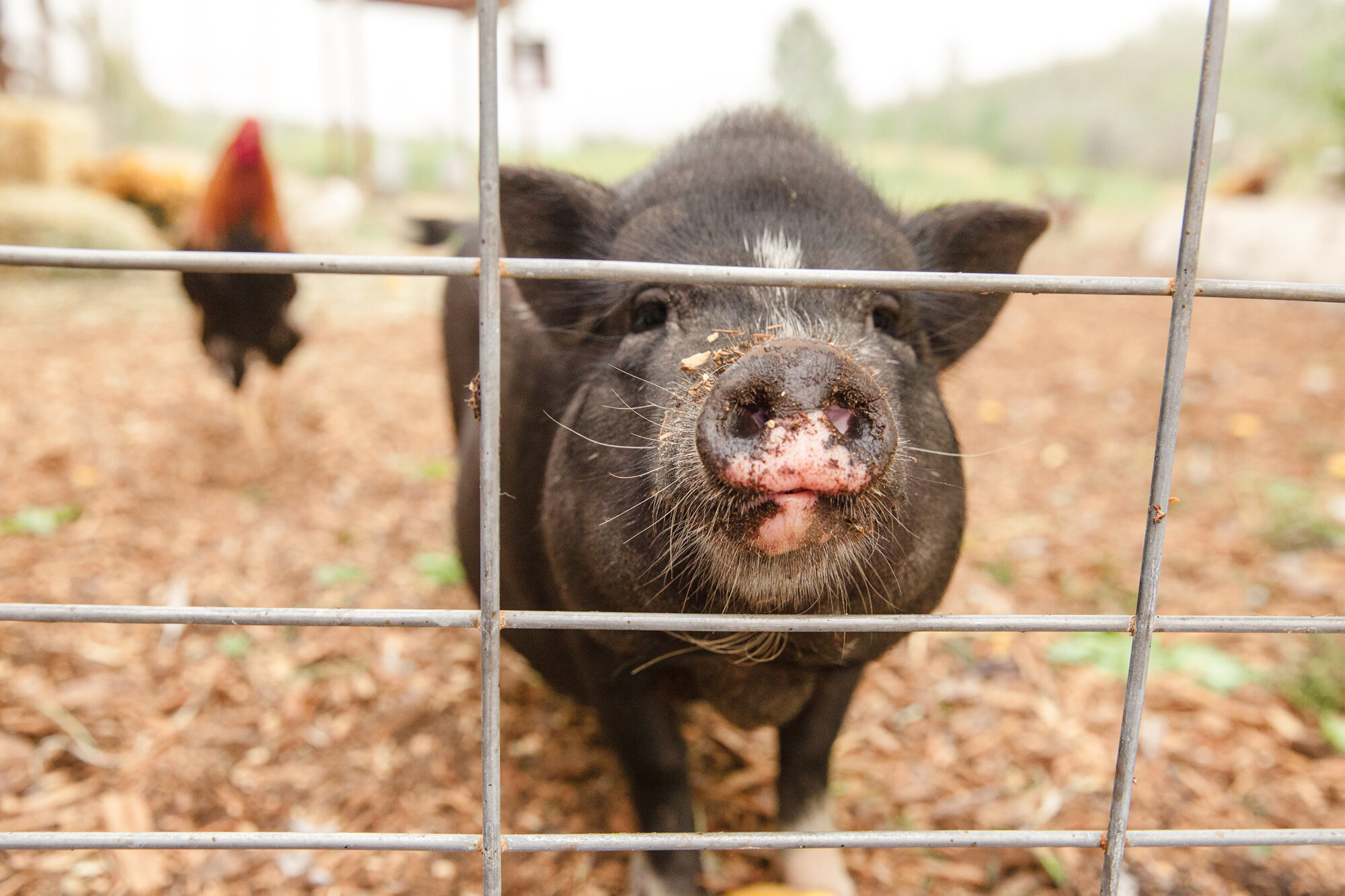
Covert Farms acreage is the ultimate experience when it comes to the farm-to-table mentality. On tours of the property, you'll see chickens and roosters, which you can feed, along with a new rescue pig named Delilah, llamas, farm dogs and cattle. Animals at sustainable wineries aren’t there just to look cute: they fertilize, help with pest management and are natural lawnmowers.
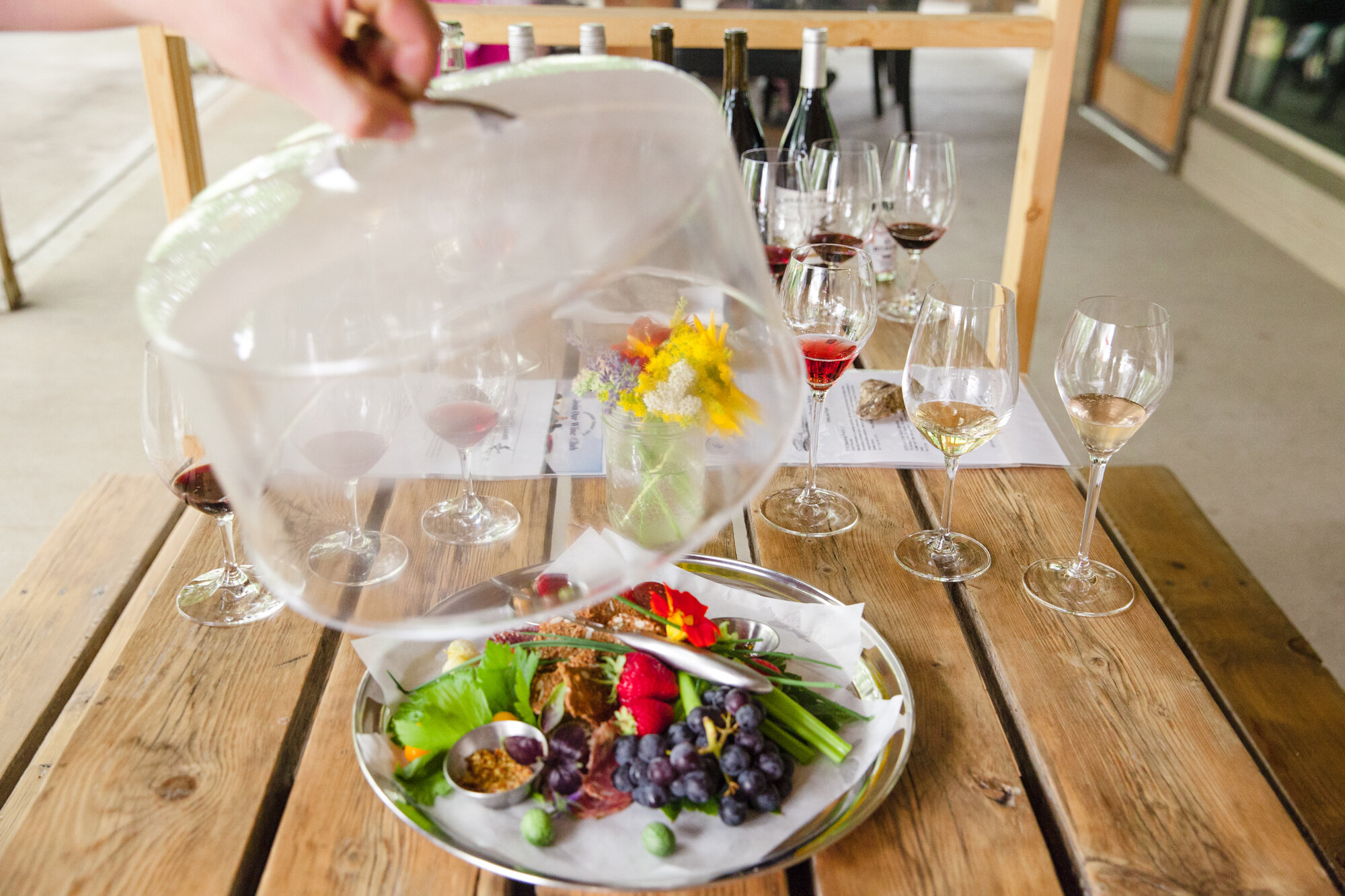
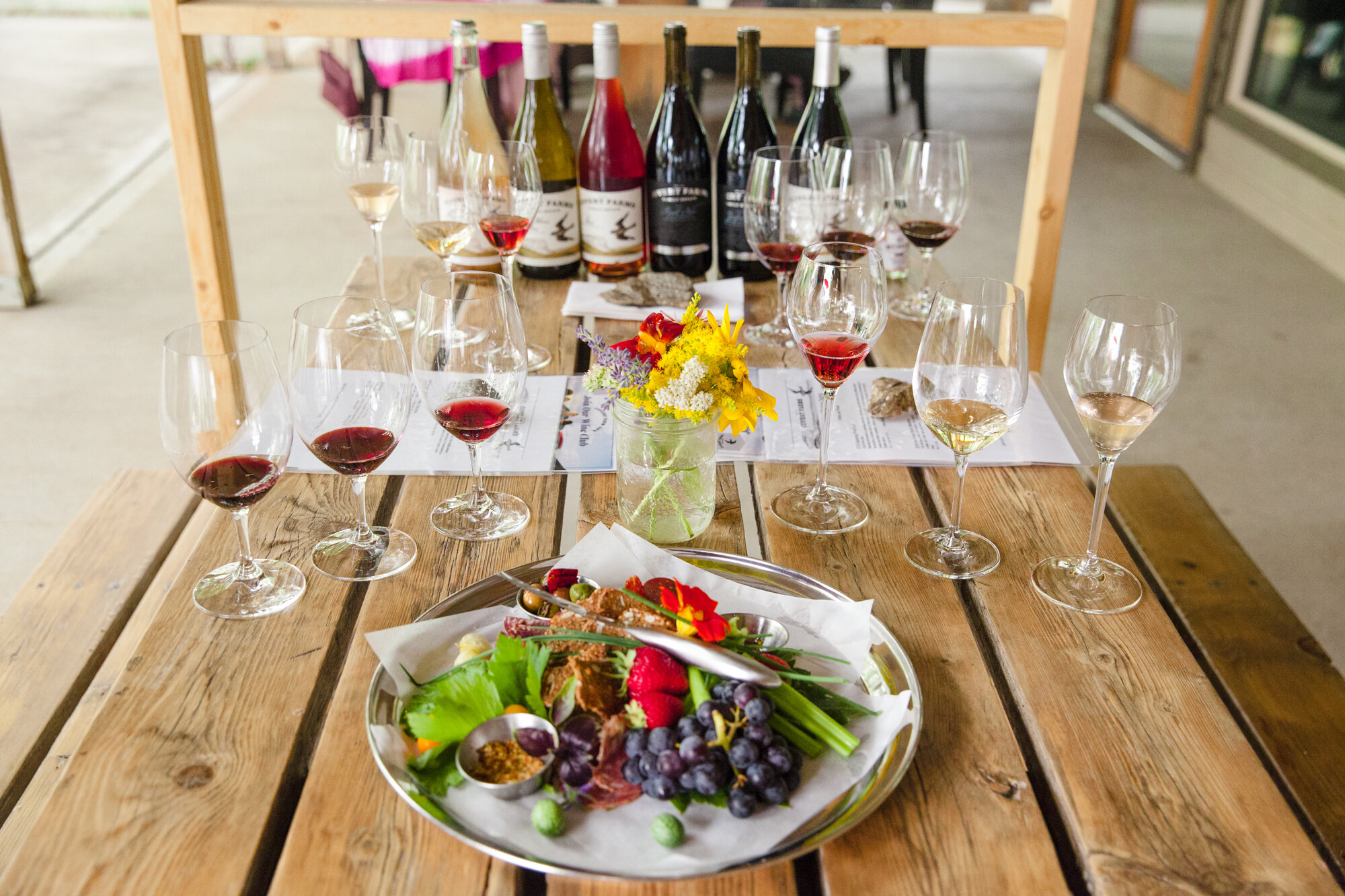
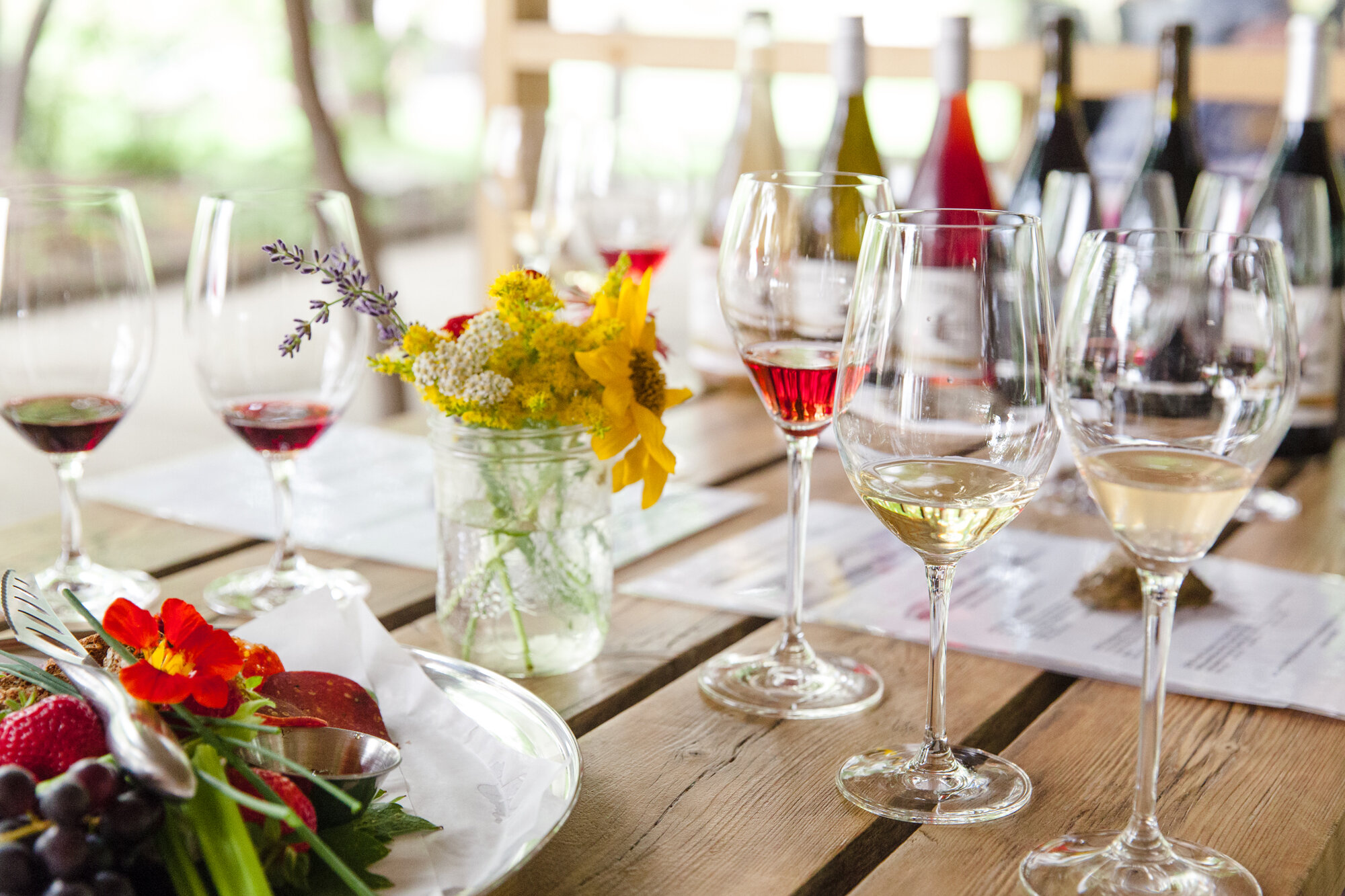
And when it’s time to sit and sample, the spread is much like Covert's philosophy—beautifully made wines, from newly released organic to grand reserve bottles, and a feast of locally or in-house made preserves, cheeses, meats, and fruits (pictured at top). The highlight for me was being guided through it all by the very passionate and knowledgeable staff, and hearing about exactly what goes into making their wine.
Click here to for the wine shop.
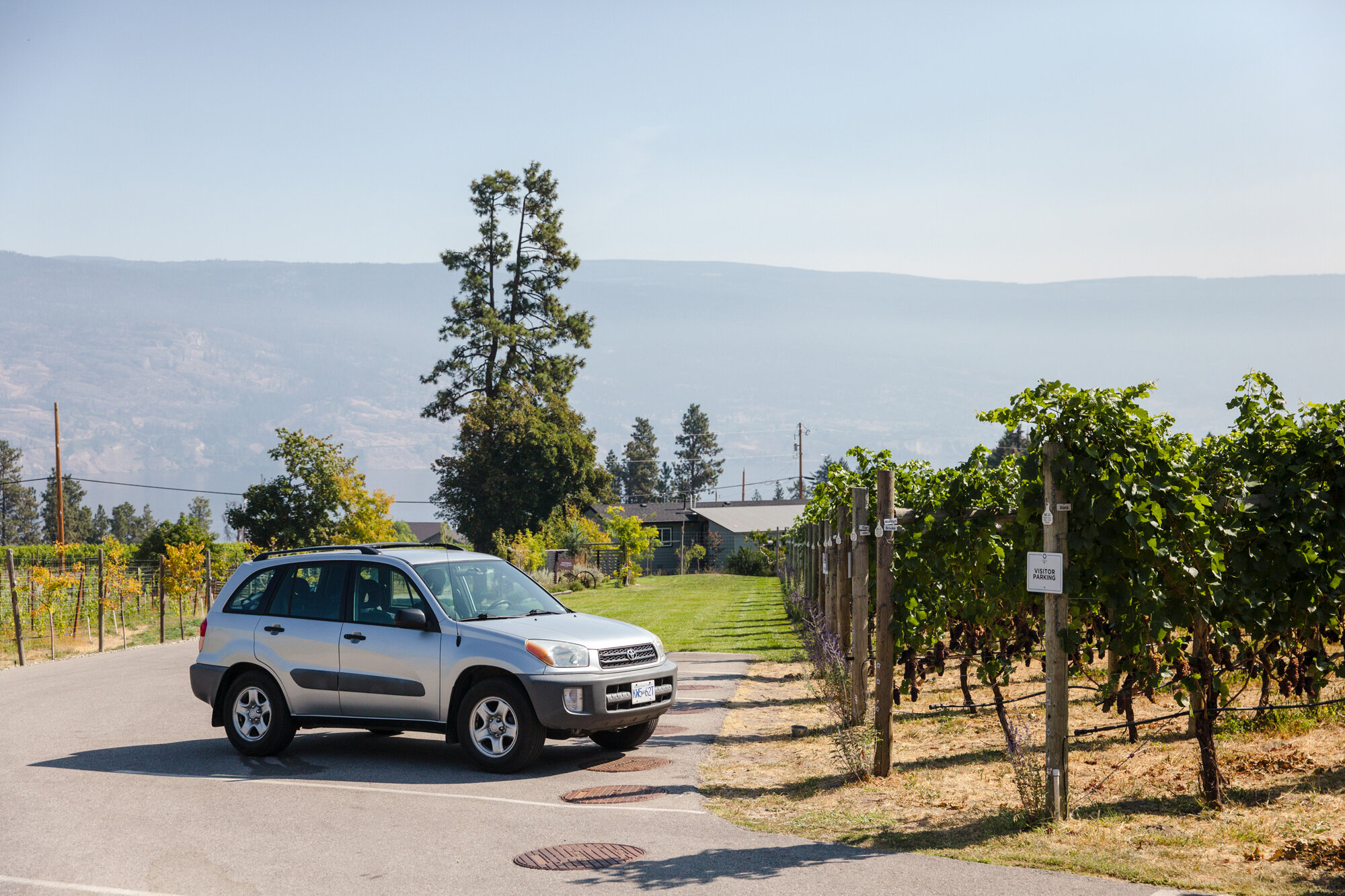
There were a lot more places we wished we could have visited on our little sustainable winery jaunt, like Summerhill in Kelowna, Orofino in the Similkameen Valley, Ursa Major and Anthony Buchanan in Oliver and Foxtrot in Naramata. The trip was short due to COVID restrictions and the smoke from the wildfires, which was a reminder why it's so important to consider wineries that pride themselves on their biodiversity and responsible practices.