
food photograhy

RECIPE: Tomato Soup for BC Living "From Scratch"

Tomato Soup
for BC Living “From Scratch”
March 2026

Almost nothing pairs better with a rainy day than tomato soup and grilled cheese—except maybe when that tomato soup is made from scratch. 
 
I find most canned tomato soups far too sugary, but when you make your own, the spice world is your oyster. 
You can easily customize this recipe—add heat with red pepper flakes or paprika, or deepen the flavor by tossing in a few Parmesan rinds from the freezer, like I did. 
 
Then get yourself some good, fresh bread and some fancy cheese for your grilled cheese, and you’ve got a perfect lunch - or heck, dinner - that everyone will love. 
 
Serves Approx 6   

INGREDIENTS:  

  • 4 tbsp extra-virgin olive oil, divided 

  • 1 tsp fresh rosemary, finely minced 

  • 1 tsp fresh thyme 

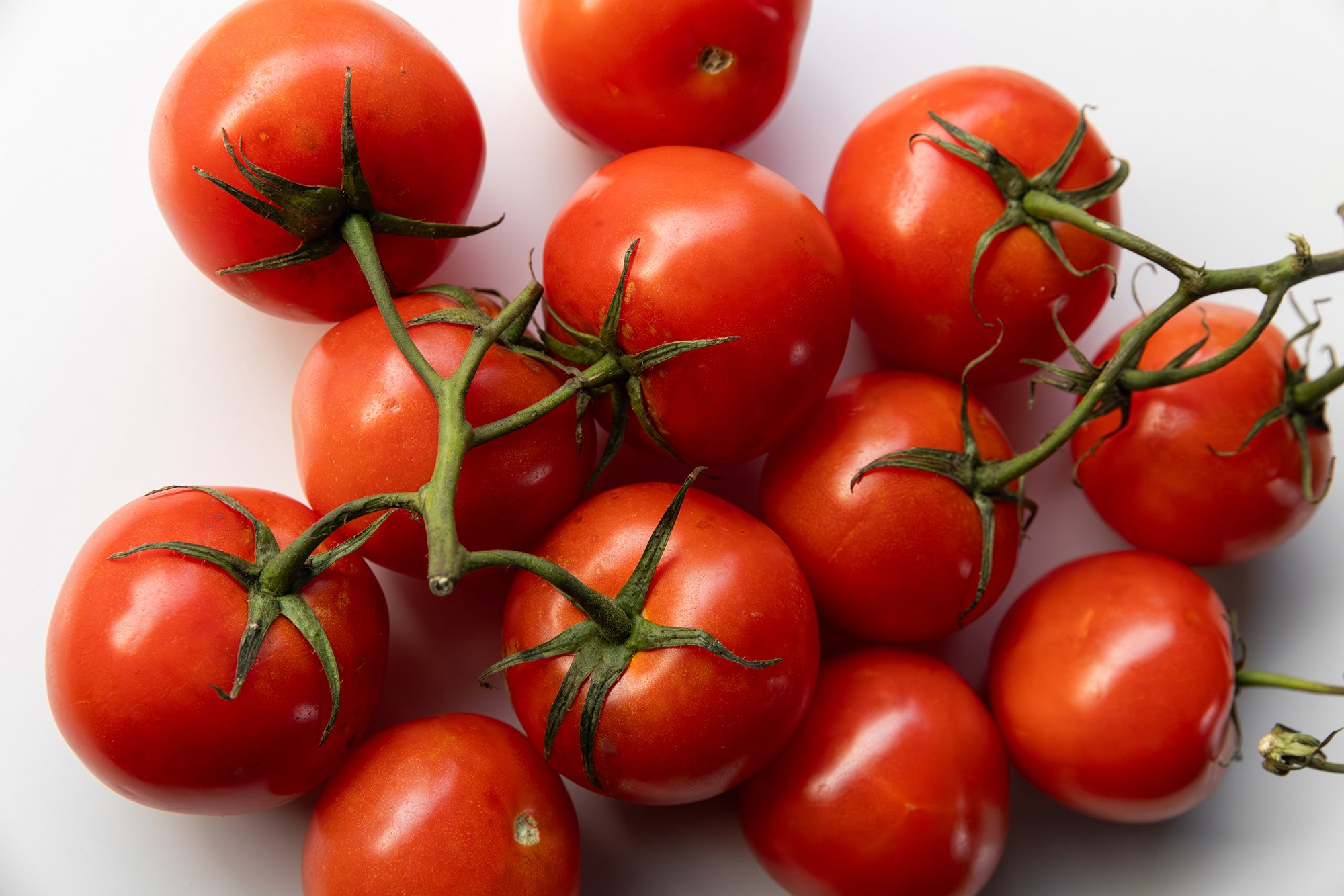
  • 10 medium tomatoes (on-the-vine preferred; Roma work well) 

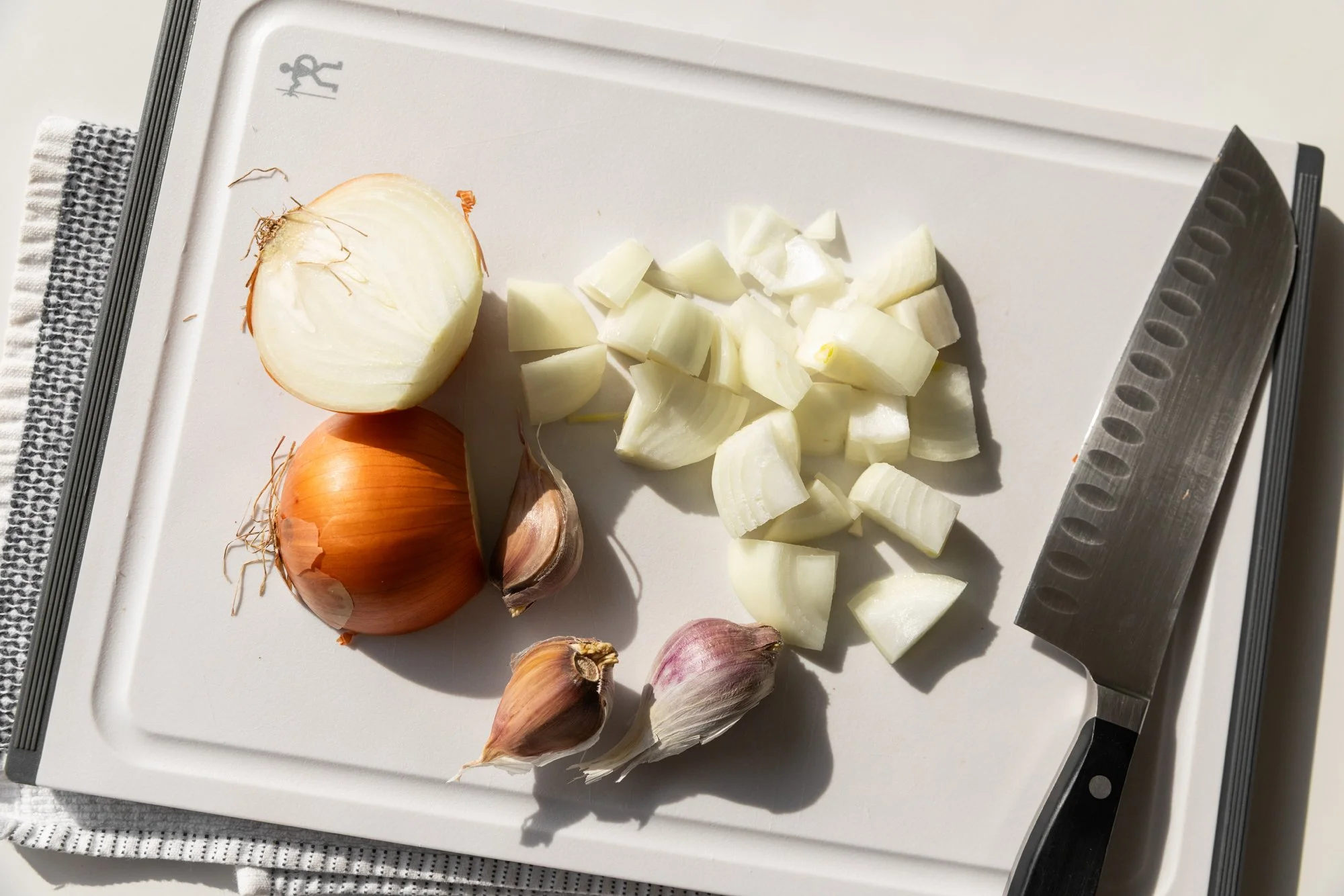
  • 1 large onion (about 1½–2 cups), roughly chopped 

  • 4 cloves garlic, smashed 

  • ½ tsp salt (plus more to taste) 

  • 2–3 bay leaves 

  • Parmesan rinds (optional) 

  • 2½ cups vegetable broth 

  • ½ cup freshly grated Parmesan cheese 

  • 1 tbsp plain Greek yogurt or sour cream (for serving) 

  • Fresh basil (optional, for serving) 


INSTRUCTIONS:  
 
Preheat the oven to 400°F and line a baking sheet with foil (a double layer may be helpful). 
 
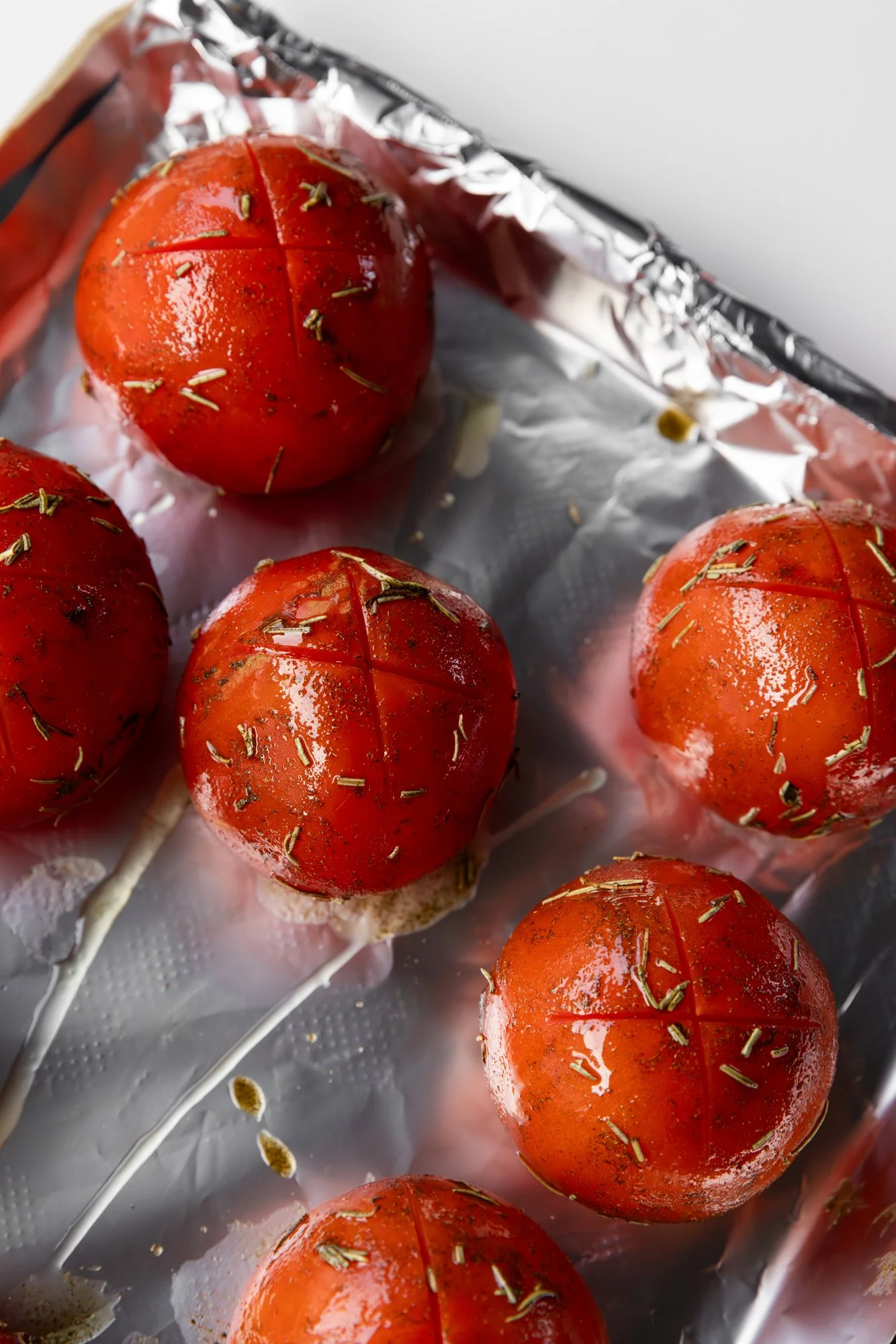
In a large bowl, toss the tomatoes with 2 tablespoons of olive oil, thyme, and rosemary until well coated. 
Arrange the tomatoes on the baking sheet, stem-side down. Using a knife, cut a small “X” in the bottom of each tomato. Add on any of the rosemary and thyme left in the bottom of the bowl. 
 
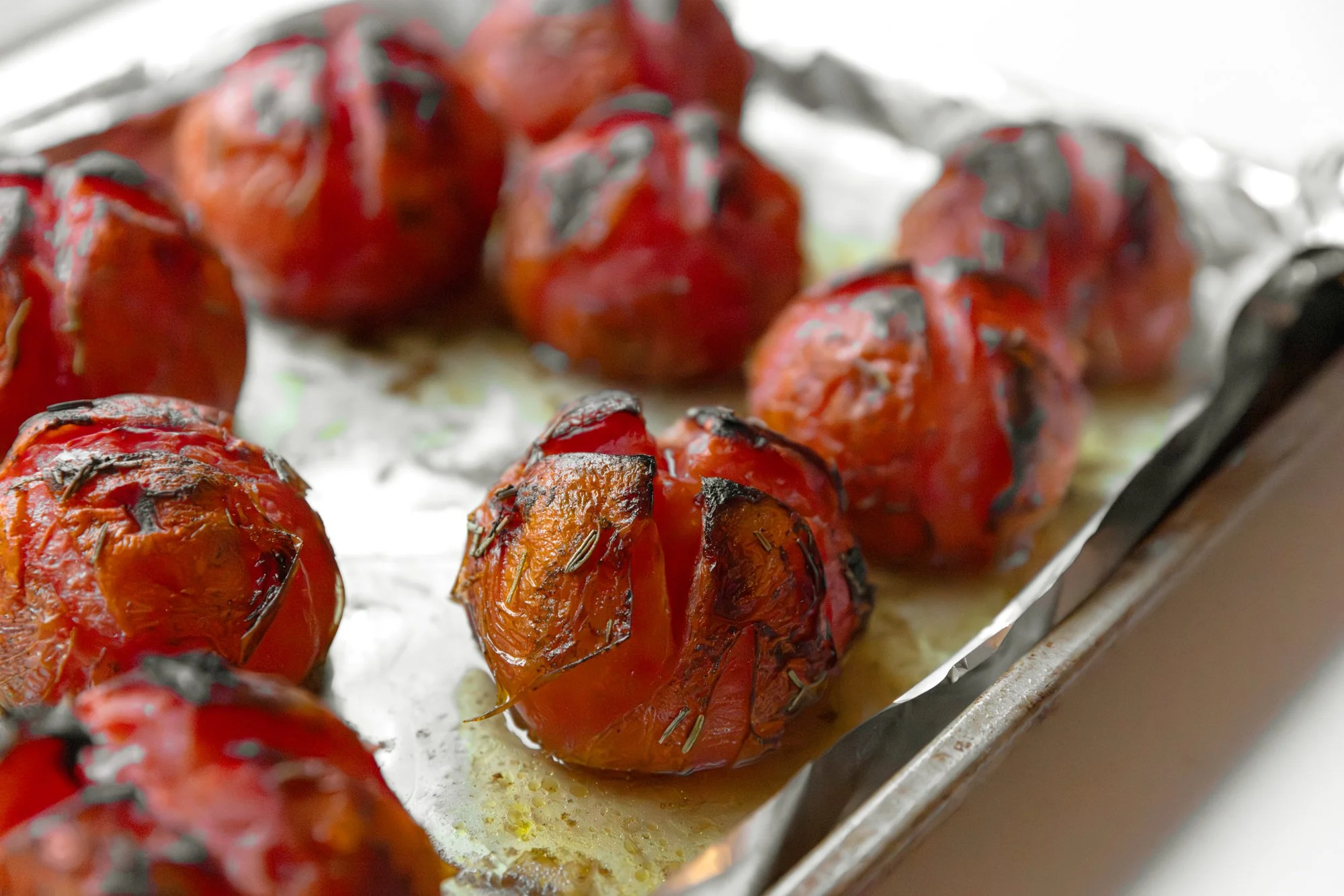
Place in the oven and cook for 30 minutes and then turn the broil on and broil the tomatoes for another 10-15 minutes, checking them every so often. A little blackening on the top is what you’re aiming for; do not let them burn.  
 
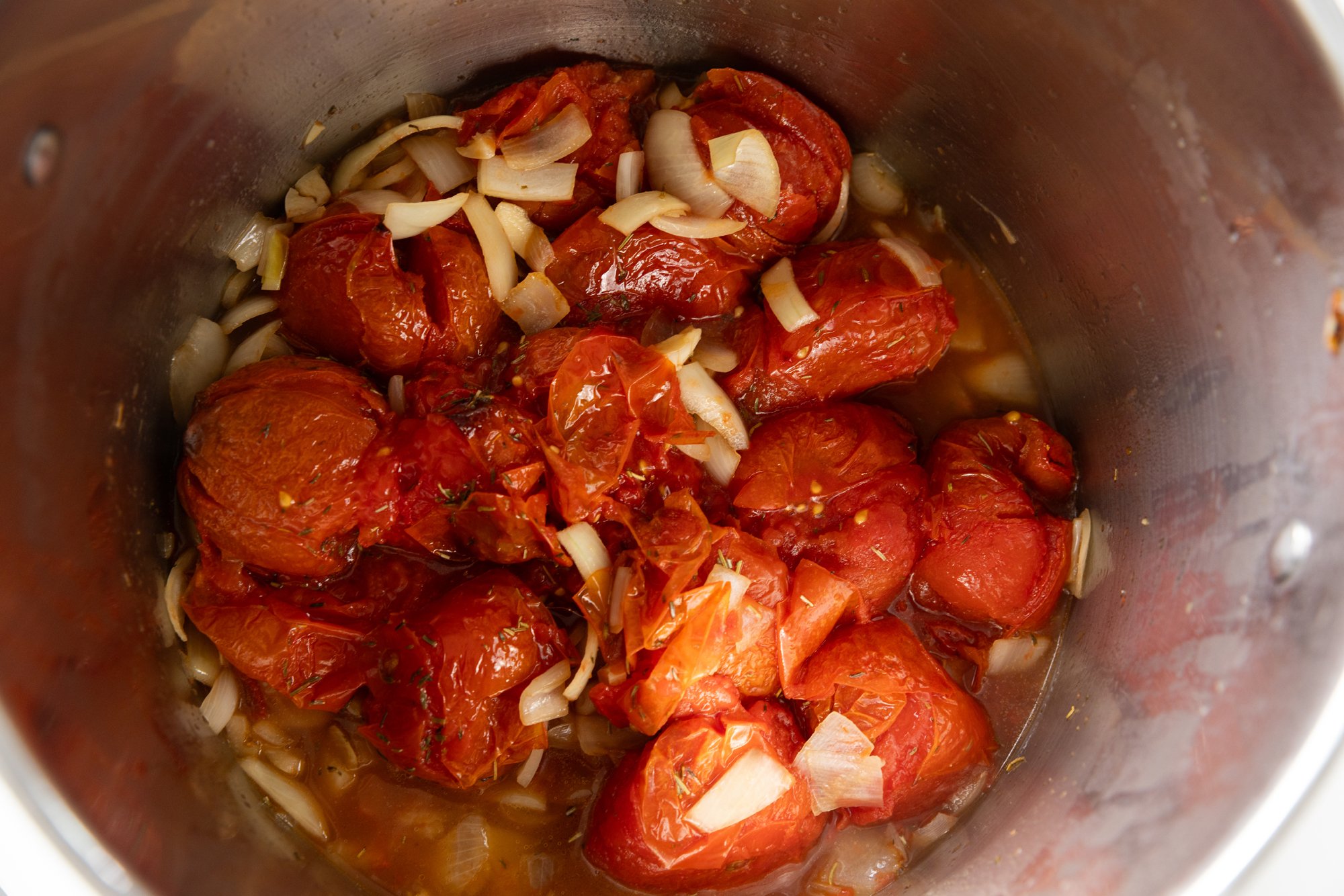
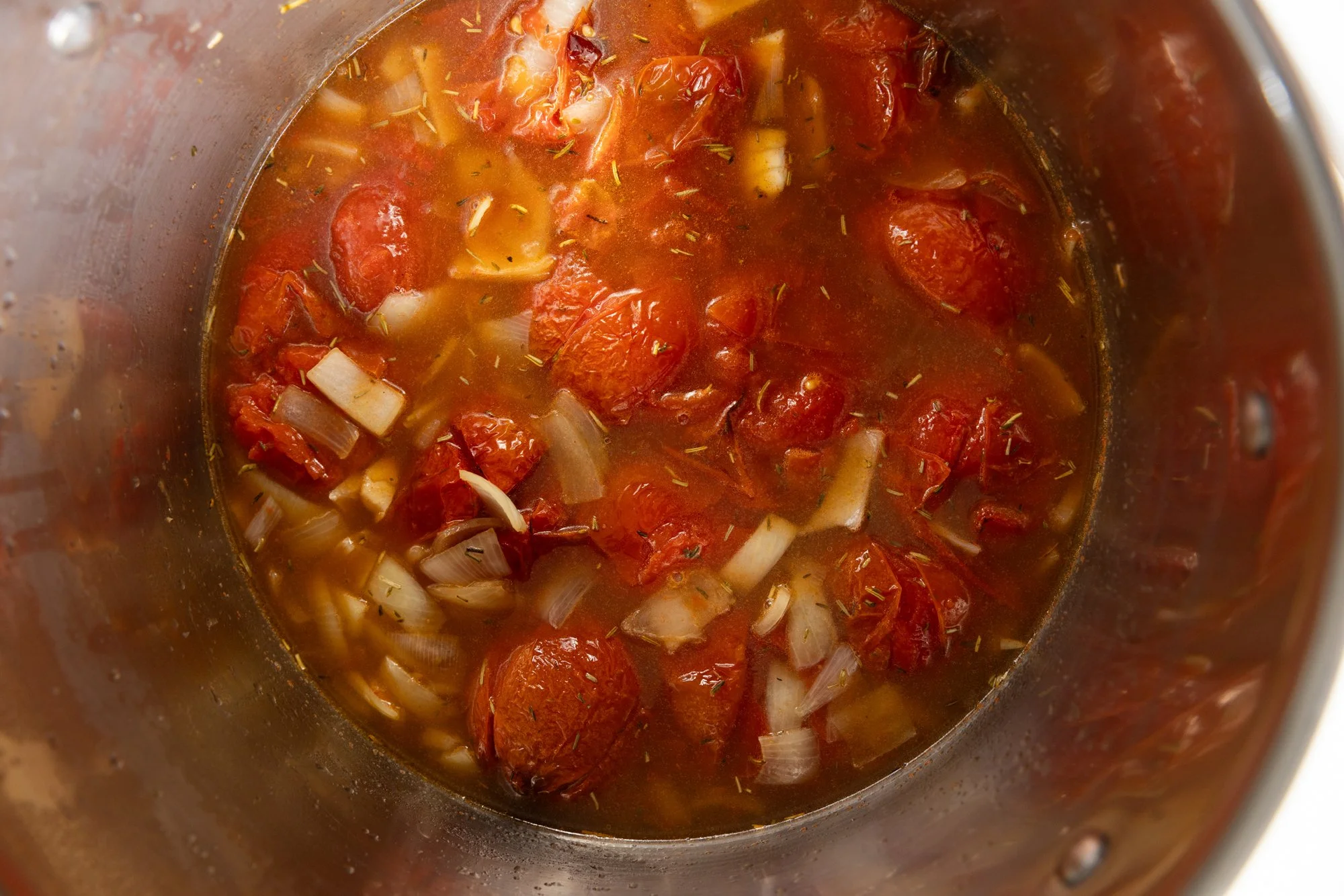
While the tomatoes finish cooking, heat the remaining olive oil in a heavy-bottomed pot over medium heat. Add the onion and garlic, sprinkle with salt and sauté for 5 minutes. Once the tomatoes are done, add them into the pot, along with the vegetable broth, bay leaves, and optional parmesan rinds if you have some in the freezer! 

Gently break up the tomatoes with the back of a spoon. Bring to a simmer and cook on low for about 15 minutes, then remove the bay leaves and parmesan rinds. 
 
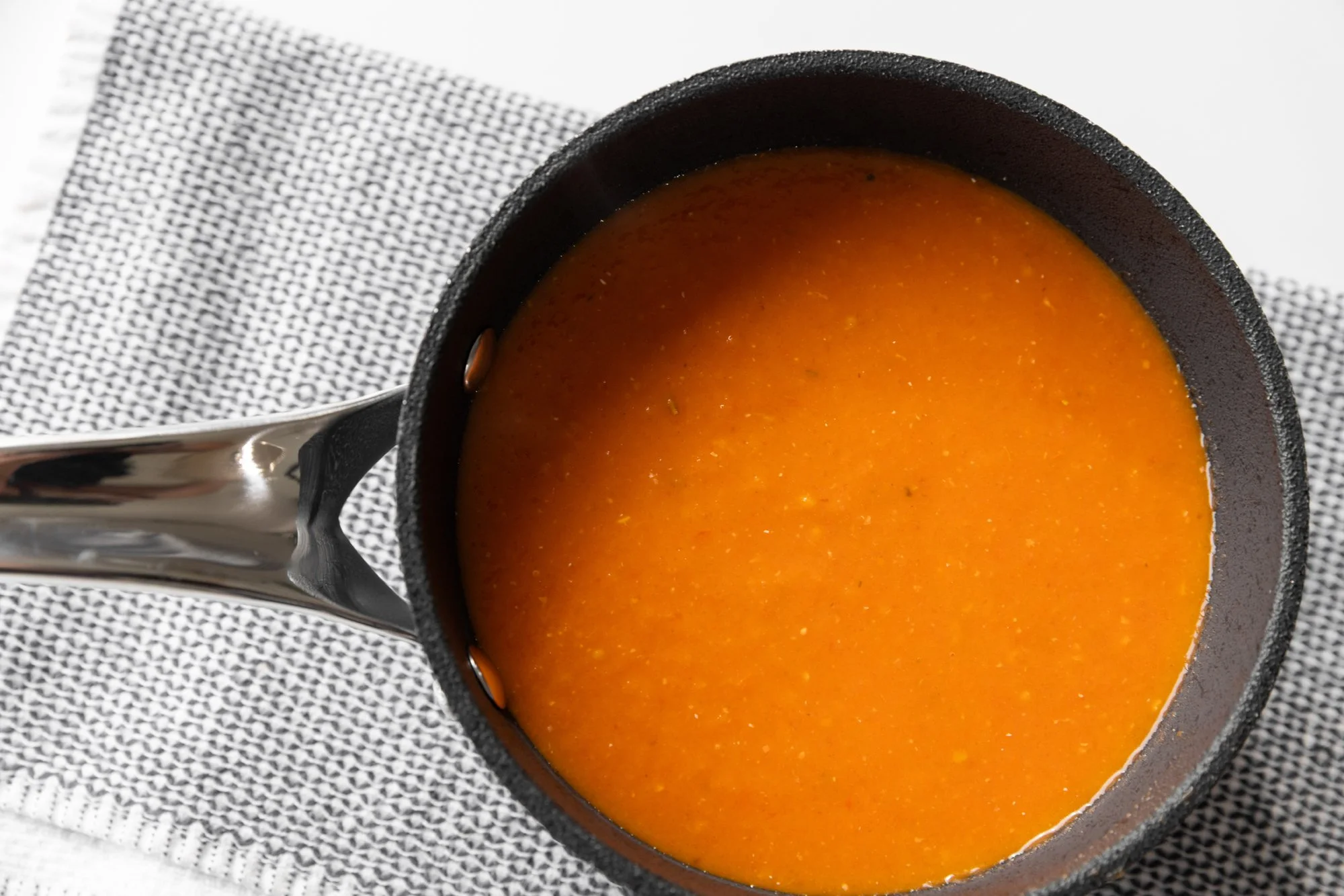
Carefully blend the soup until smooth using a high-speed blender (in batches if needed), or use an immersion blender directly in the pot. 
For an extra smooth texture, strain the soup back into the pot, discarding any remaining solids. 
 
Stir in the grated Parmesan cheese until melted. Taste and adjust seasoning as needed. 
 
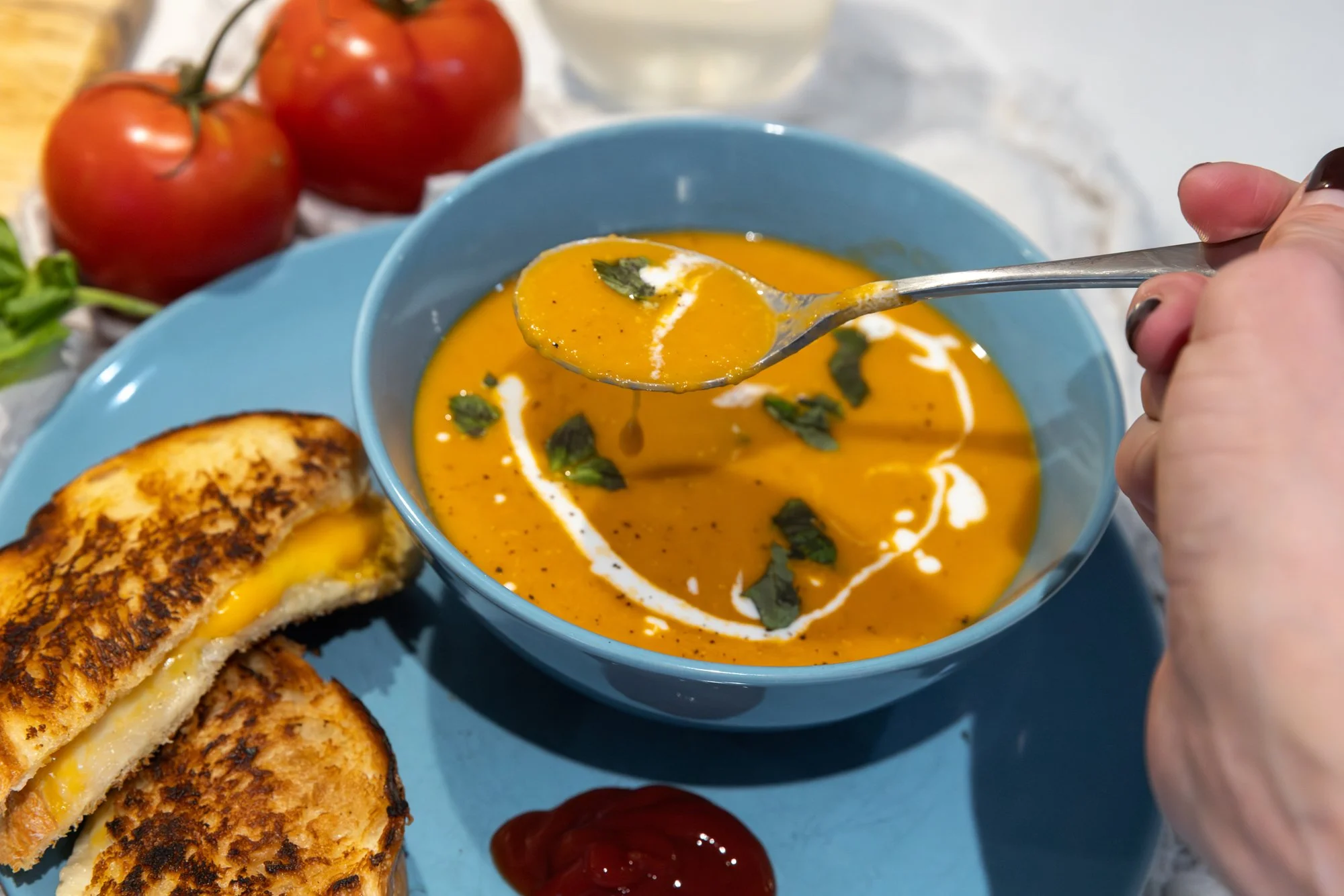
Ladle into bowls and top with a swirl of thinned Greek yogurt or sour cream, fresh basil (if you have it), and cracked black pepper and serve with that that extra-gooey grilled cheese! 
 

This soup freezes well, so future-you will thank you on the next cold afternoon. 
 
ENJOY! 
RECIPE: Popsicles for BC Living - From Scratch

Popsicles
for BC Living - “From Scratch”
July 2025
 
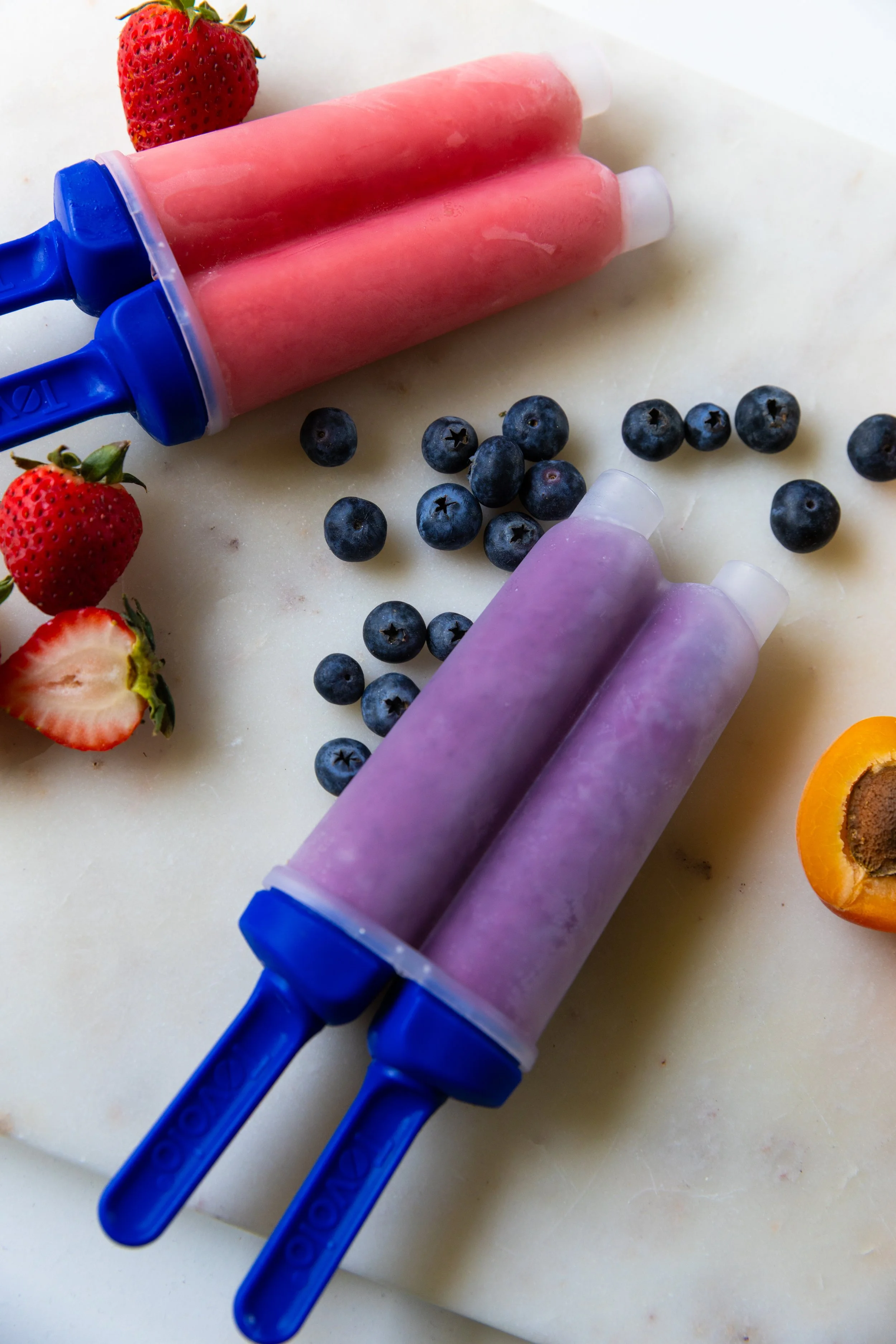
The heat is on, so why not try your hand at making some popsicles from scratch! The main thing you need is a mold and there are plenty of styles to choose from, so pick the one that’s best for your freezer’s shape and size. 
When making your popsicles, the sugar in fruit will be diminished a little in the freezer, so if you want a little bit more sweetness, add some sugar, honey, or maple syrup into the mix. 
 
If you’re using something like strawberries, you might prefer to strain the little seeds out after you blend the mixture together. 

Fresh fruit is the best to use (especially while it’s in season!), but you could use frozen fruit if you’d like. The main thing is to have fun with it and play around with the ingredients. 
 
 
GENERAL INGREDIENTS 
 
- 2 cups of fruit 
- 1 cup juice, or yogurt (or other liquid like coconut water) 
- 2 tbsp sweetener (honey, maple syrup, sugar) 
- optional ingredients: vanilla extract 
 
GENERAL INSTRUCTIONS 

Blend the fruit, juice or yogurt, any sweetener or other flavors together, pour into the molds and freeze for a minimum of 3-4 hours. 
 
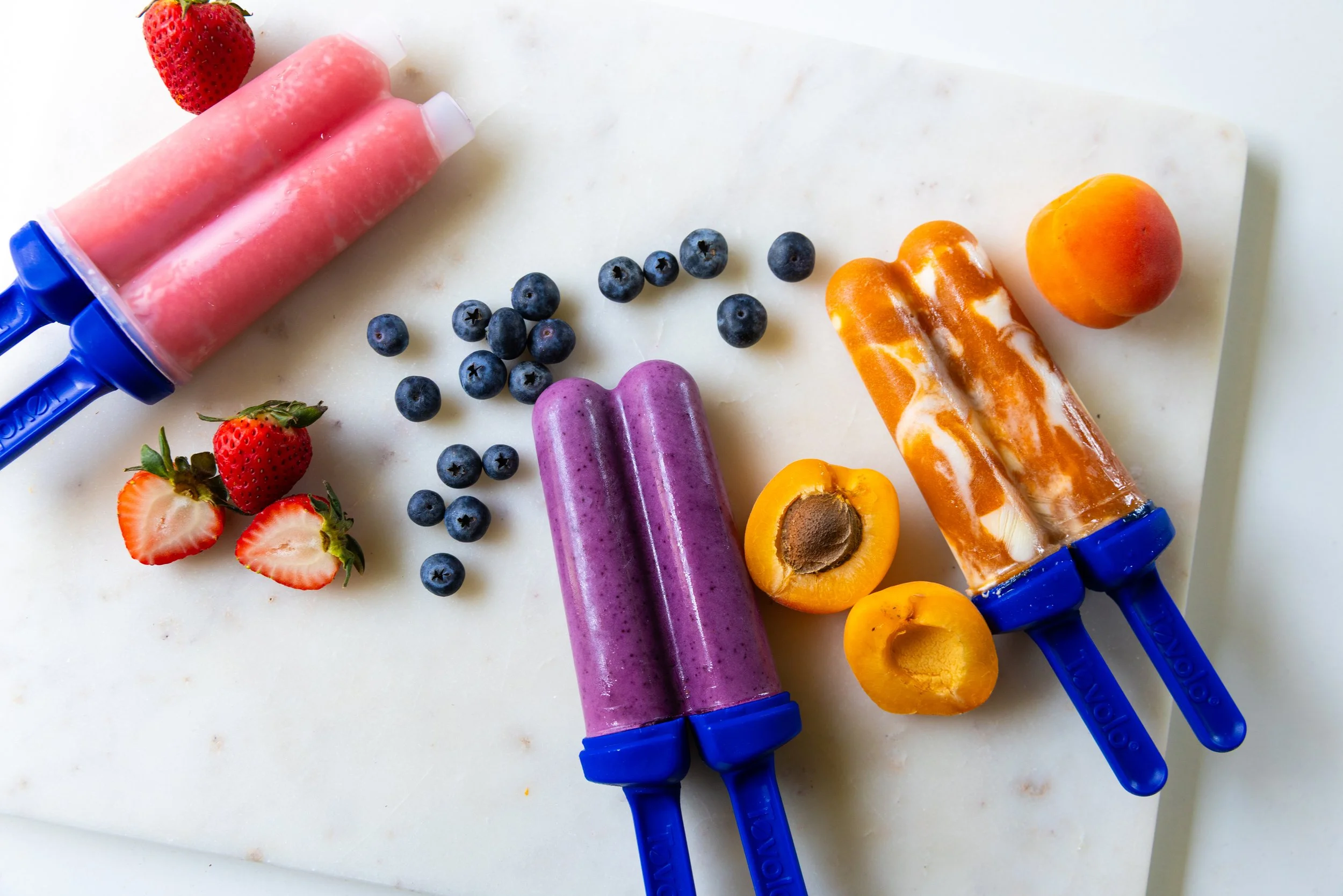
For Strawberry Popsicles 
- 2 cups strawberry with the stem removed 
- 1 cup coconut water (or fruit juice) 
- 2 tbsp sugar (or honey) 
 
Blend all ingredients together, then pour through a fine sieve to remove the seeds (optional step). 
Pour into molds and add the sticks, then freeze for a minimum of three hours. 
Running a mold under warm water will help loosen the popsicle when removing. 
 
For Blueberry Popsicles 
- 2 cups blueberries 
- 1 cup Greek yogurt 
- 2 tbsp of honey (or maple syrup) 
- 1 to 2 tsp of vanilla extract 
 
Mix the vanilla into the yogurt and taste to see if you’d like more. 
Blend the blueberries, yogurt, and honey together in a blender, then pour into the molds. 
Freeze for a minimum of three hours. 
Running a mold under warm water will help loosen the popsicle when removing it. 

 
For Creamsicle 
- 2 cups apricot flesh (see below), alternatively peaches, oranges, mangos also work 
- 1 cup fruit juice (apricot, peach, mango etc.) 
- 2 tbsp of honey 
- 1.5 to 2 cups Greek yogurt 
- 1 to 2 tsp of vanilla extract 
 
In a bowl, mix the vanilla extract with the yogurt and taste to see if you’d like more. 
 
Remove the skin or peel from your desired fruit (blanching briefly is best for apricots and peaches) and remove any seeds. 
 
In a high-speed blender, add the fruit, the juice, and the honey and taste sweetness (you want it on the higher side). 
 
In the molds, add a tablespoon of the fruit mixture, and then a tablespoon of vanilla yogurt, alternating until the mold is filled, and the two are slightly blended. 
Freeze for a minimum of three hours (these may need more with the two separate fillings) 
Running a mold under warm water will help loosen the popsicle when removing. 

RECIPE: Beet Salad for BC Living "From Scratch" - June 2025 

Beet Salad
for BC Living
June 2025 
 
Farmers markets are back, local produce is growing, and summer is on the horizon! I grabbed my tote bag and headed to the market in Kits to see what I could find for a summer picnic. The stalls were brimming with the first strawberries of the year, foraged mushrooms, and peppers galore, but my eyes landed on the beets. Both the red and golden ones looked amazing, and I knew a salad with some local goat cheese and greens was what I was looking for. 
 
The only tricky part about (red) beets is that they’ll stain your hands (and the golden beets, AND the cheese), so use gloves if you can and don’t mix everything together when you plate it, to keep it nice and clean. 
 
One of the best parts is that you can make a variety of dressings for this. I went with citrus, but a Dijon mustard dressing, or even just a balsamic glaze would be delicious. 
 
Bring this to your next beach picnic or backyard BBQ as a cold side salad or enjoy it in the sunshine for a healthy lunch. 
 
--- 
 
Makes approximately 4 small servings, or 1 large serving 
 
INGREDIENTS 
 
- 1 large red beet 
- 1 large golden beet (or even a Chioggia beet if you can find it!) 
- extra virgin olive oil (for roasting) 
- ¼ cup crumbled goat cheese (adjust to taste) 
- 1-2 tbsp crushed pistachios (or other nuts, like walnuts) 
- 1 cup arugula (optional, for serving base) 
 
For The Dressing: 
 
- 1 tbsp extra virgin olive oil  
- 1 tbsp apple cider vinegar  
- 1 tbsp freshly squeezed juice of: a lemon, or an orange  
- ¼ tsp salt 
 
 
INSTRUCTIONS 
 
Preheat oven to 400 degrees Fahrenheit. 
 
Scrub the beets clean (do not peel yet) and remove any excess roots. 
Place each beet on a sheet of tin foil, drizzle with olive oil, and rub to coat. Then wrap each beet completely in the foil. 
 
When the oven is preheated, place the foil-wrapped beets on a baking sheet or directly on the oven rack, and cook for 45 minutes. 
Stick a fork in the beet to see if it penetrates easily - the larger the beet, the longer it will take to cook through, possibly up to an hour or more. Continue to monitor them until the fork easily pierces the beet and then remove from oven and set aside to cool. 
 
Once cool, the skin should easily fall off the beet, though you may need to peel some back with a peeler and cut off any root leftover. 
I do this step with the red beet using gloves as it will stain your hands. 
 
Once the beets are peeled, chop them into bite-sized pieces and keep in separate bowls to avoid the red bleeding onto the golden. I like to chill them (covered) in the fridge for a while, as I prefer chilled. 
 
While they are chilling, whisk together the dressing ingredients in a small bowl, or shake them in a jar with a lid. Set aside. 
 
When the beets are at the preferred temperature, pour some of the dressing over each bowl and stir with a spoon. 
 
To plate, lay a bed of arugula on a serving tray. Using gloves or tongs, arrange the red and golden beets in alternating colors to avoid color bleeding. Sprinkle the dish with goat cheese, and then the crushed pistachios.  
 
You can also add fresh herbs at this stage if you have them on hand – I added some basil from my garden. 
 
Add some extra dressing over top of the salad and serve. 
 
 
NOTES: 
 
Leftover salad should keep in the fridge in a sealed container for a few days – it just might need some extra dressing. 
 
You can make this vegan by swapping goat cheese for nut-based cheese, or another vegan alternative. 

RECIPE: Spreads for BC Living "From Scratch" - Peanut Butter

Spreads - Part 2: Peanut Butter
BC Living - “From Scratch”
May 2024

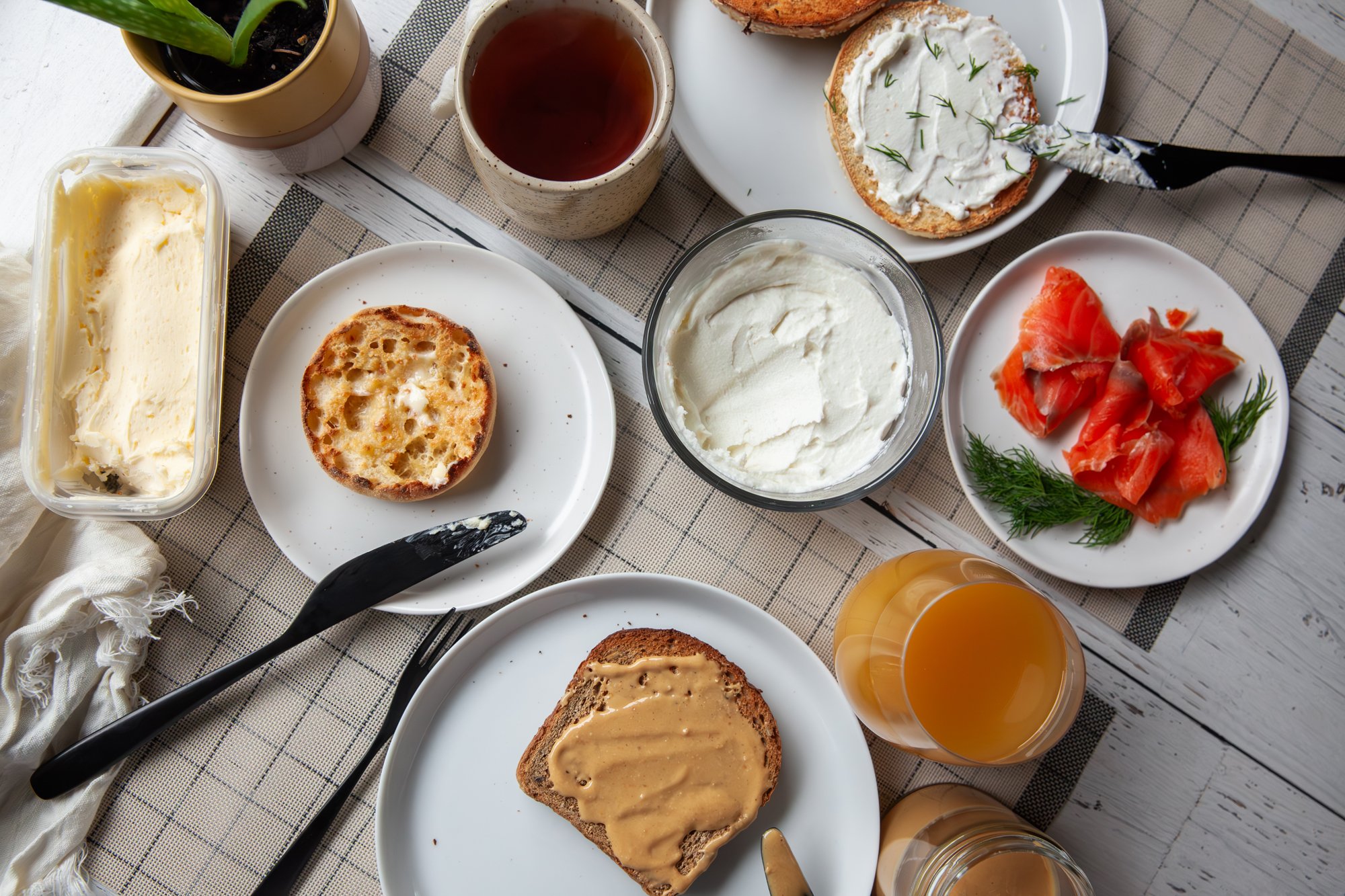
If you love making homemade jam after a bountiful summer of berries and other fruits, but have never tried to make other spreads at home, this is your sign.  Making peanut butter (or any kind of nut-butter) is very simple, and even if they seem daunting, cream cheese and butter from scratch are well worth it. Not only because you can use fresh, organic ingredients, but you can customize them on the spot!

Peanut Butter

INGREDIENTS: 

3 cups of dry roasted peanuts 
salt – optional and to taste 

INSTRUCTIONS:

Three cups of peanuts will amount to about one cup of peanut butter, so adjust this as you see fit for how much you’d like to consume. It will last about one month. 
 
Place the peanuts in a stand mixer or high-powered blender and blend at high speed. Scrape down the sides with a spatula every time the pb starts to build up. 
 
A rough dough-like ball will start to form, keep going and it will smooth and blend itself out. 
 
You can blend until you reach the desired consistency, but a creamy and smooth peanut butter will take approximately 10 minutes to come together 

RECIPE: Spreads for BC Living "From Scratch" - Butter

Spreads - Part 1: Butter
BC Living - “From Scratch”
May 2024

If you love making homemade jam after a bountiful summer of berries and other fruits, but have never tried to make other spreads at home, this is your sign.  Making peanut butter (or any kind of nut-butter) is very simple, and even if they seem daunting, cream cheese and butter from scratch are well worth it. Not only because you can use fresh, organic ingredients, but you can customize them on the spot!

Butter

INGREDIENTS: 

2 cups heavy cream 
Salt - optional 

INSTRUCTIONS:

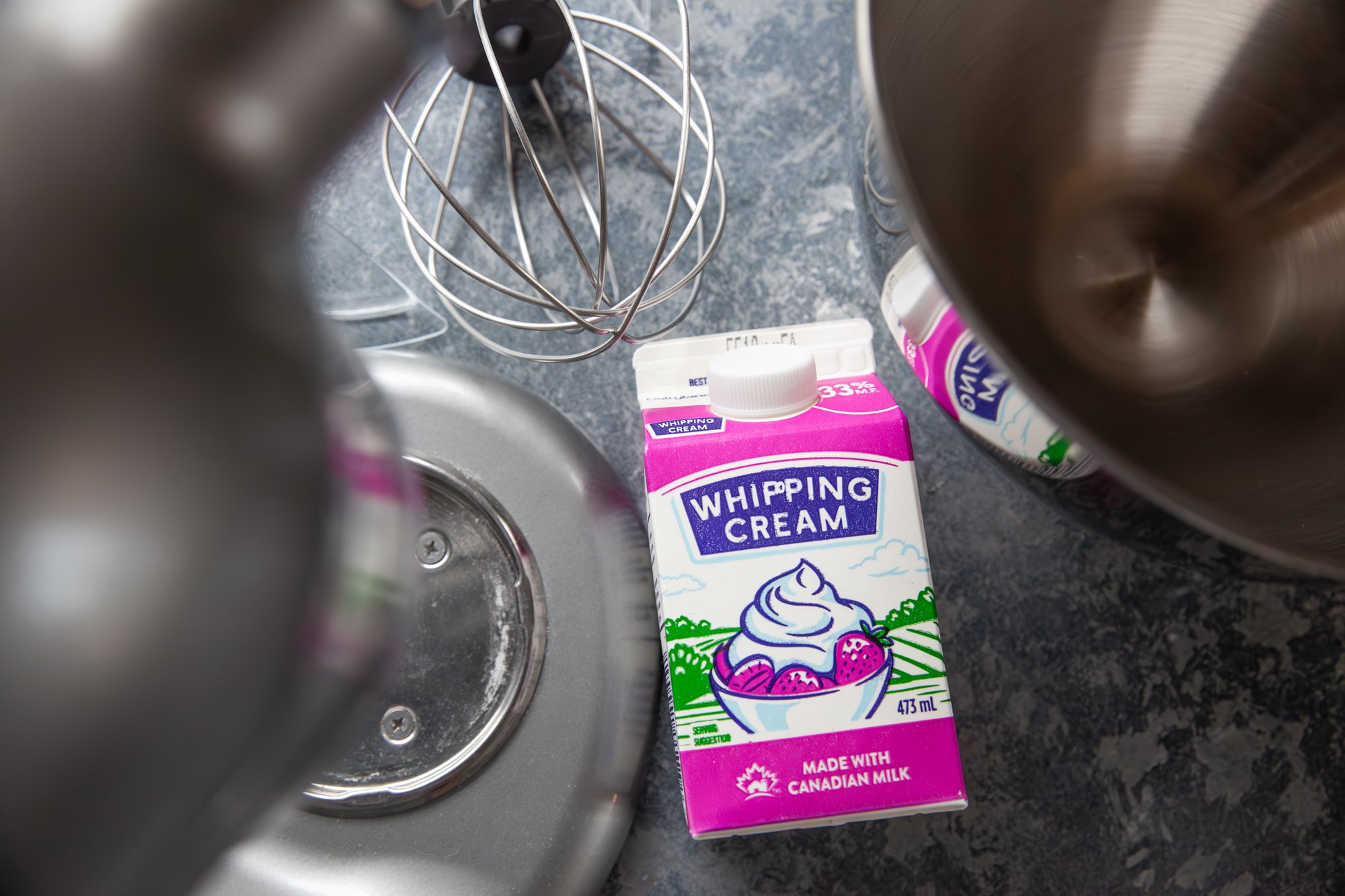
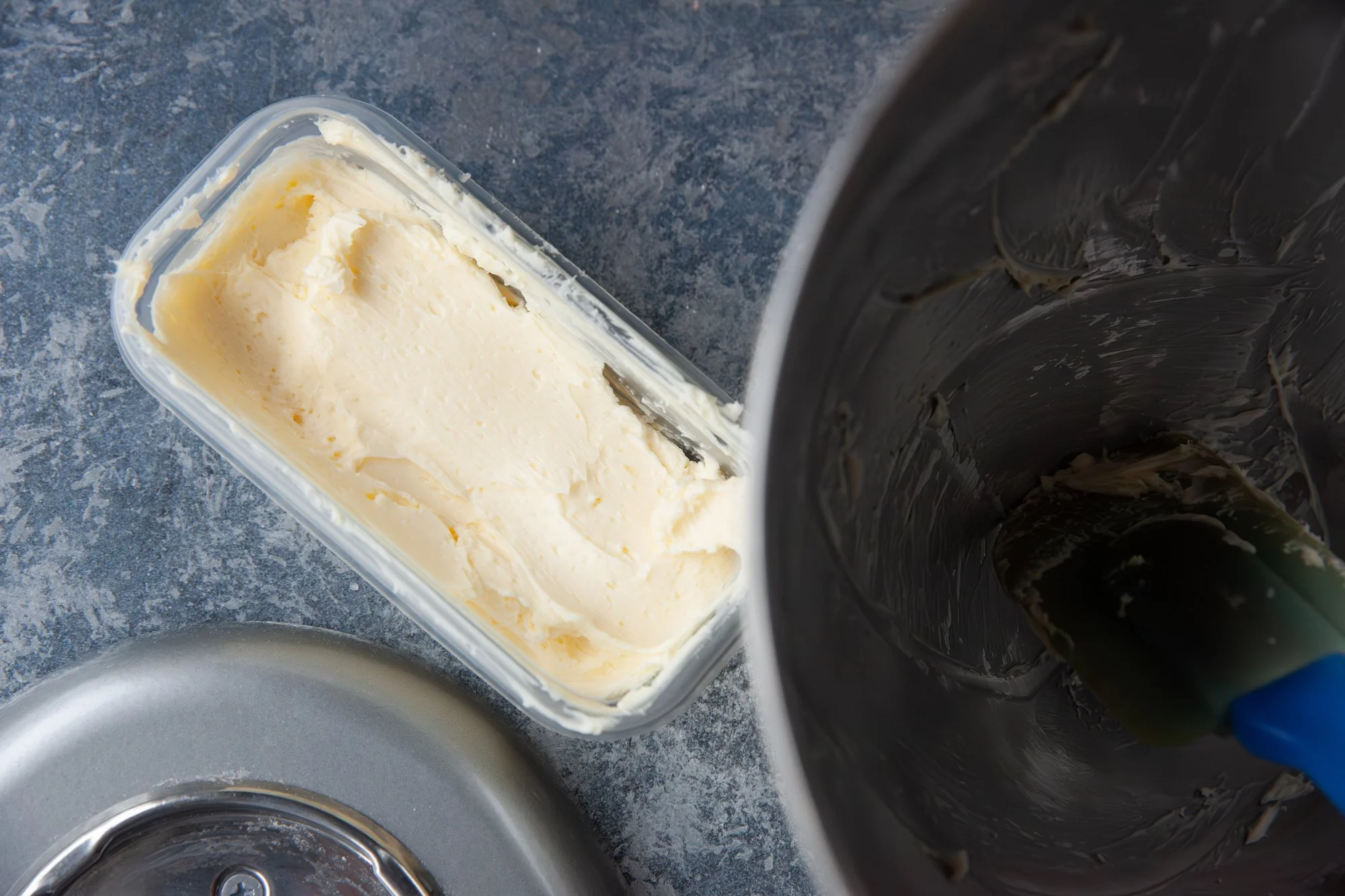
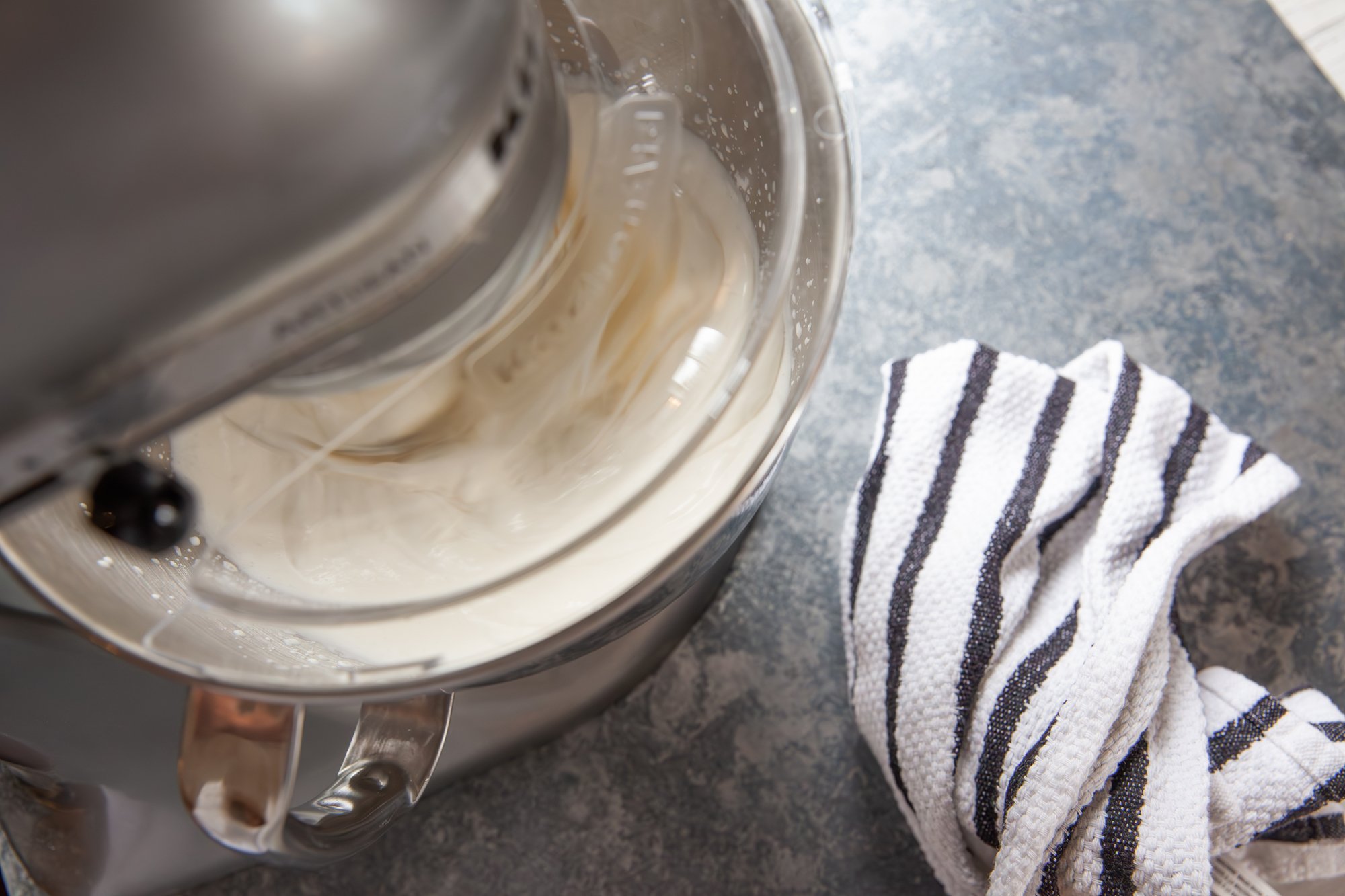
I made this in my stand mixer, but it can also easily be made in a food processor. It can be a bit messy, so keep a clean tea towel on hand. 
 
Pour the heavy cream into the stand mixer bowl. If desired, you can add a pinch of salt for flavor. 
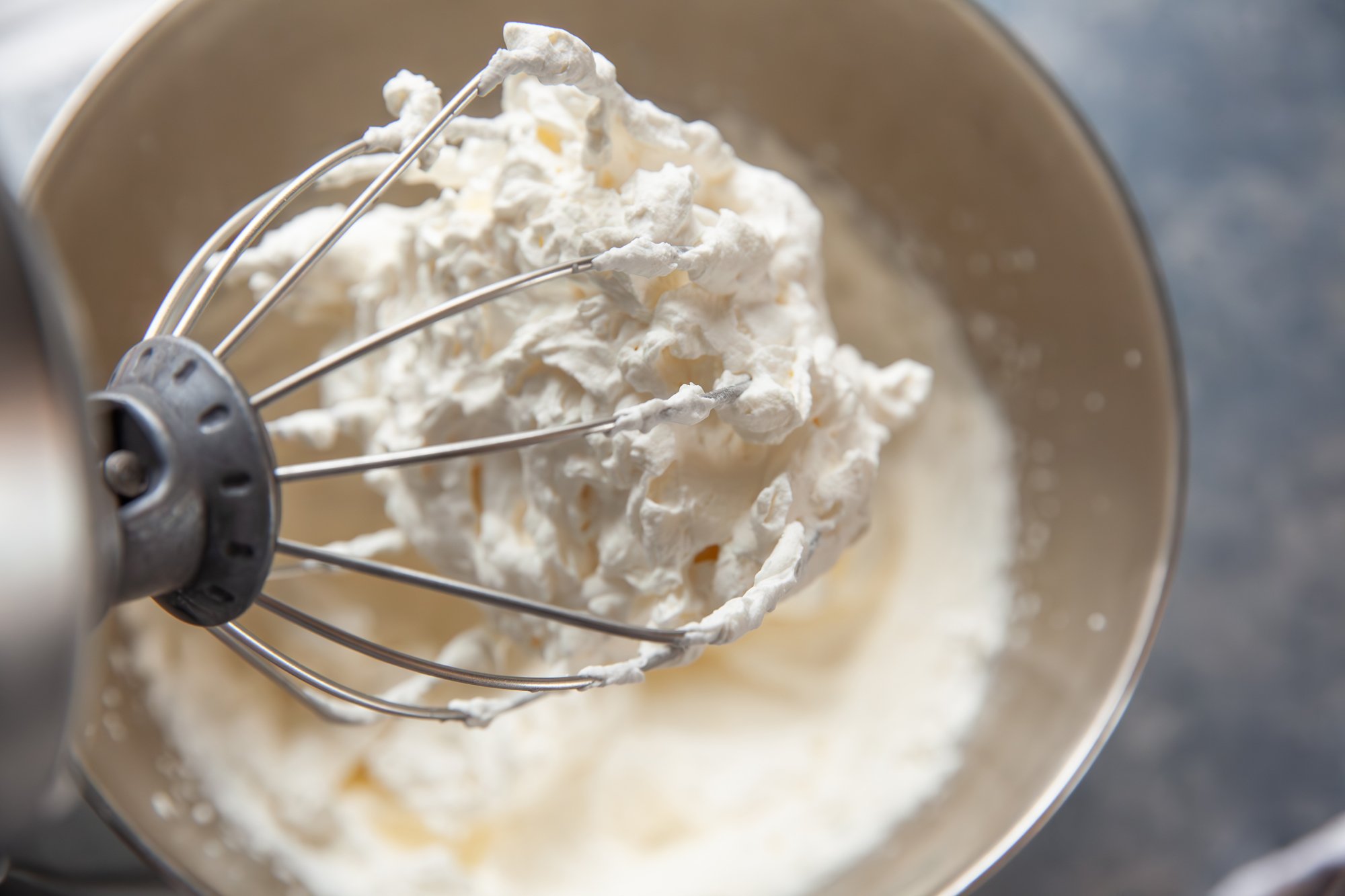
Attach the whisk attachment to the stand mixer and set it to medium-high speed. Begin beating the cream. Keep an eye on the process; after a few minutes, the cream will start to thicken and form soft peaks. Continue beating until the cream transforms into whipped cream.  
 
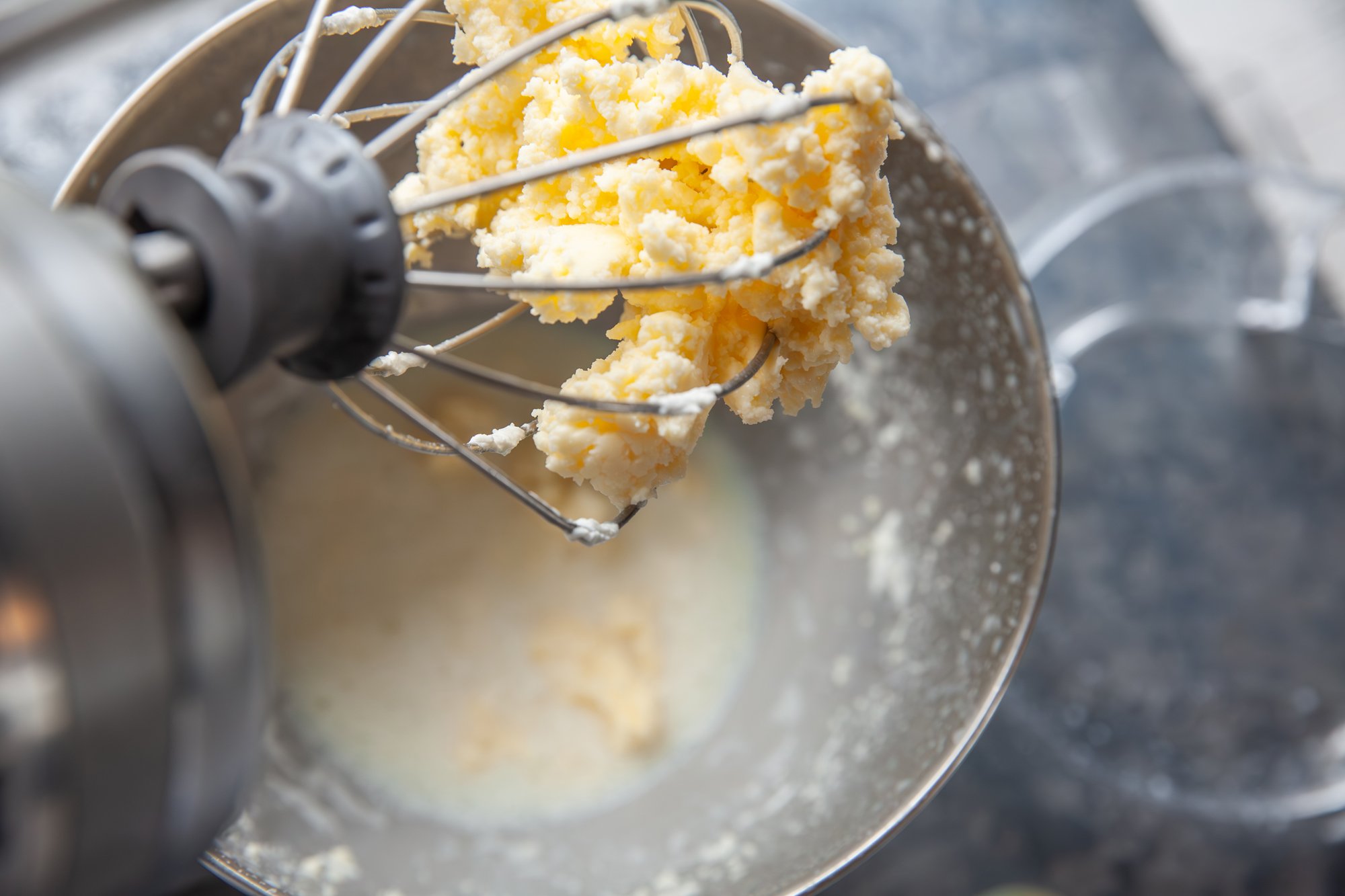
Keep mixing beyond the whipped cream stage. The cream will start to separate into butter and buttermilk. This process usually takes about 10-15 minutes.  
The butter will begin to clump together and the buttermilk will separate from it.  
 
Once the butter has formed solid clumps and separated from the buttermilk, you can drain off the buttermilk. You can do this by carefully pouring the mixture through a fine-mesh strainer or cheesecloth-lined sieve set over a bowl. Save the buttermilk for later use in baking or cooking. 
 
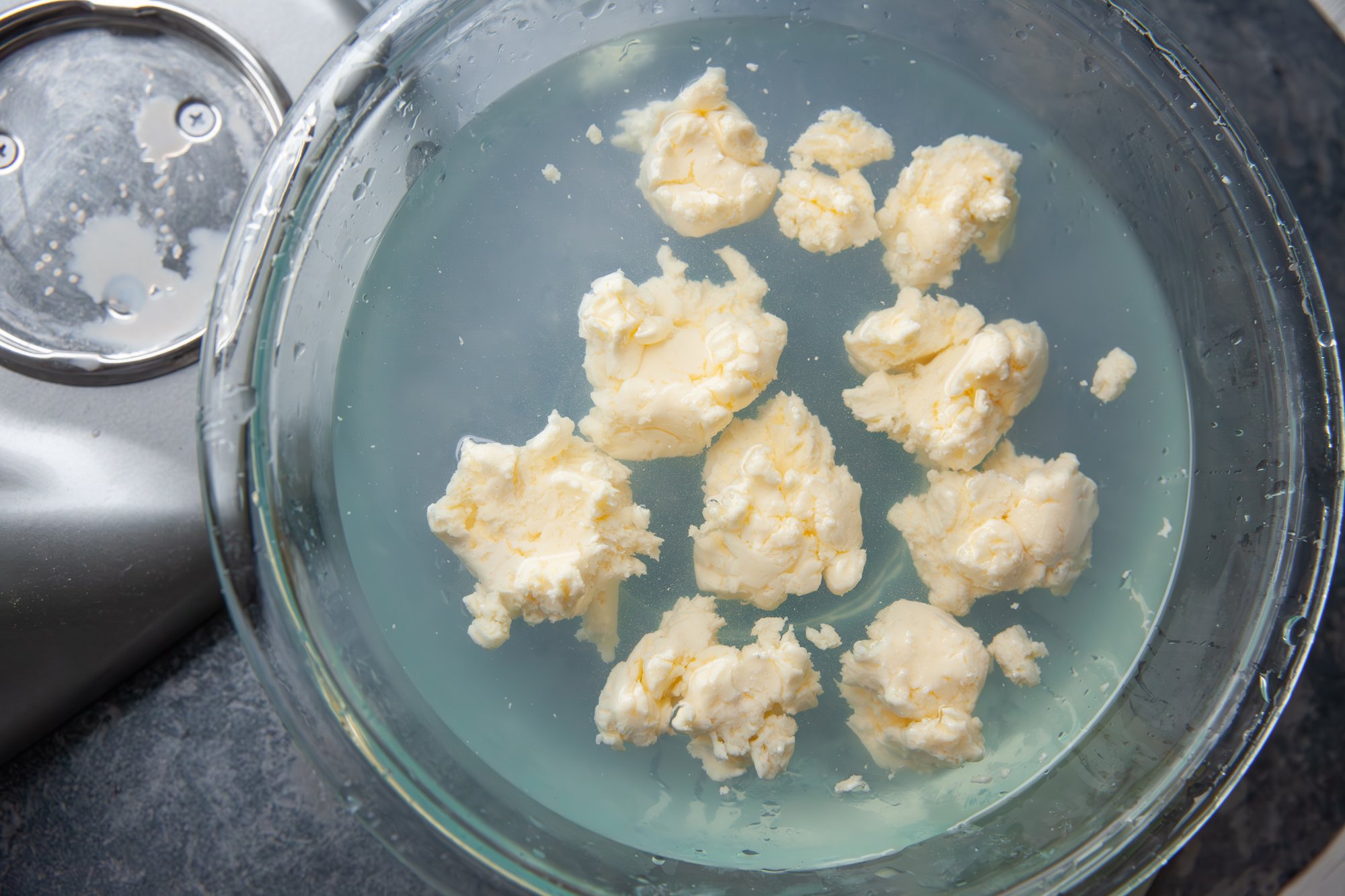
Some people prefer to rinse the butter to remove any remaining buttermilk - I do and did here. 
Pour cold water over the butter and then gently knead it under the water. Repeat this process until the water runs clear.  
 
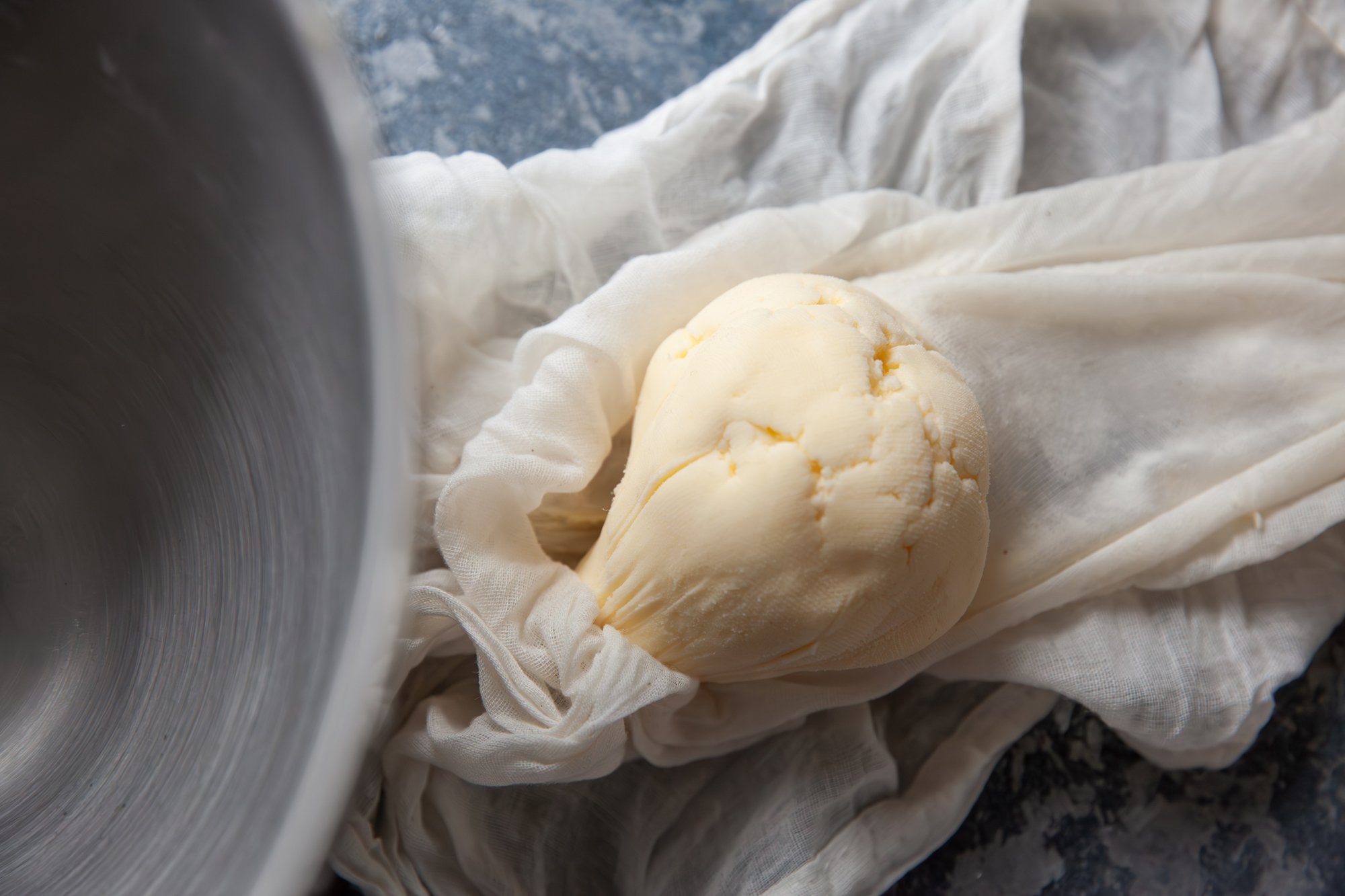
Now you can shape the butter into a ball or log, or simply work it into a container. 
 
Store your homemade butter in an airtight container in the refrigerator. It should last for about a week.  
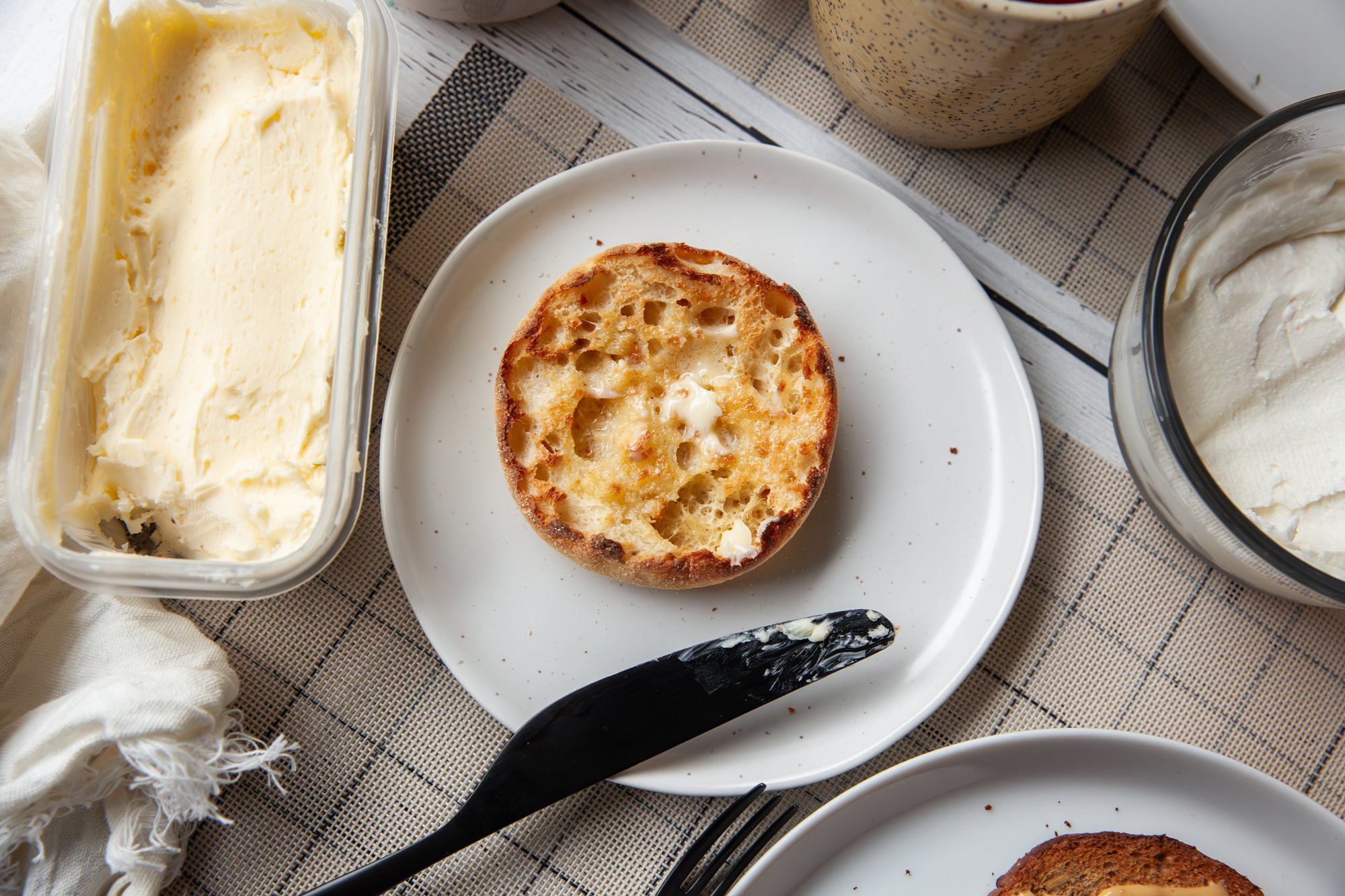
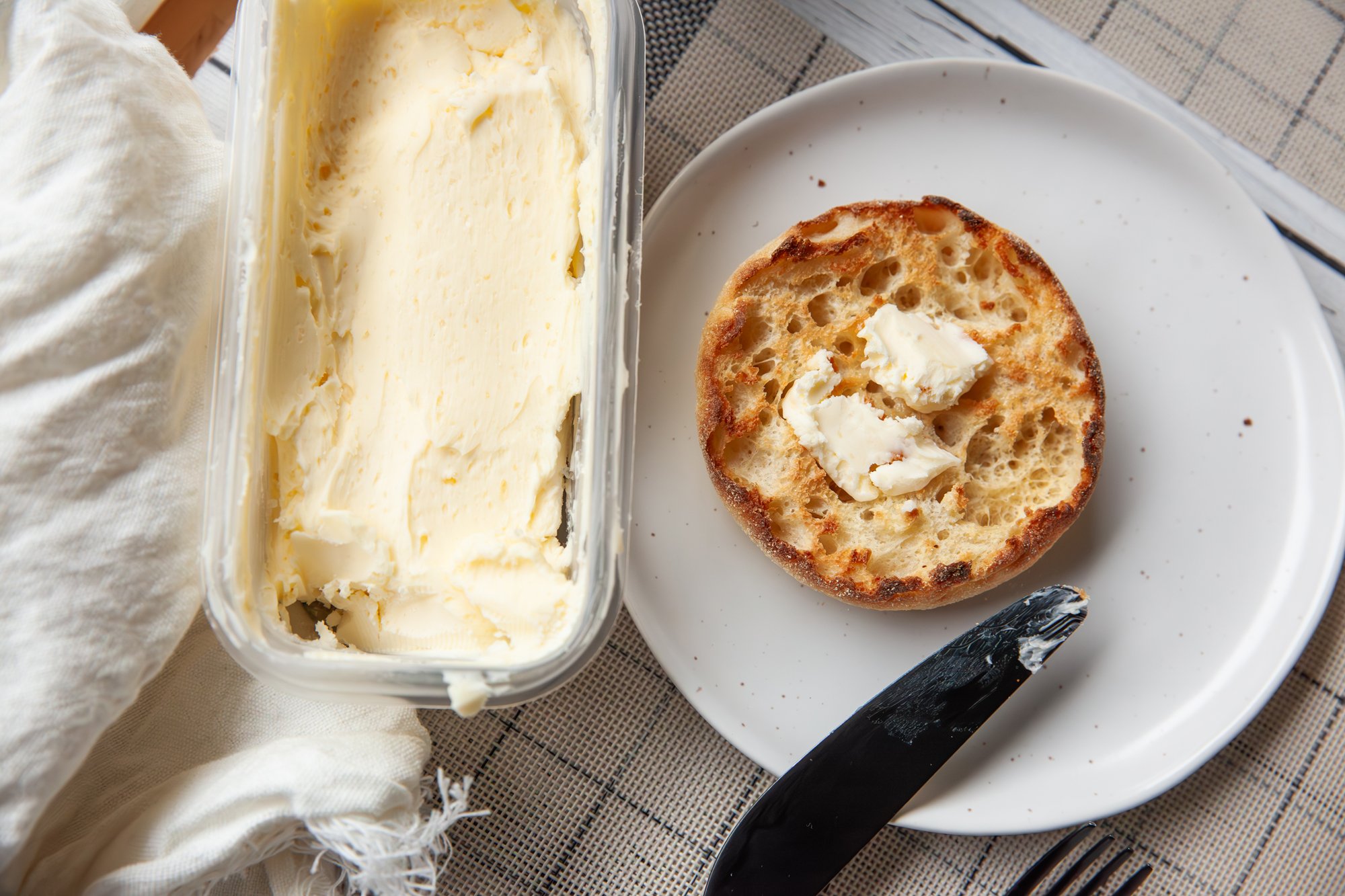
Use your homemade butter on bread, toast, or in any recipe that calls for butter. Enjoy the rich, creamy flavor of your homemade creation!